
Poor sleep is often no coincidence – and sometimes the cause lies directly beneath us. When the bed loses its supportive function or the materials become tired, the body reacts with clear warning signals. In this article, you will learn how to recognize that your bed is no longer right for you – and why it is worth taking a closer look before back pain or sleep problems become chronic.
1. back pain in the morning
Do you regularly wake up with a tense or aching back? Then your bed probably no longer provides the necessary support. A worn mattress or a deformed slatted frame mean that your spine does not remain in its natural position during the night. In the long term, this can lead to poor posture and chronic pain.
2. arms or legs falling asleep
Tingling or limbs that fall asleep are a clear sign of uneven pressure distribution. If the mattress is too hard or too soft, blood circulation is impaired. The shoulders and hips are particularly sensitive, as they are subject to greater strain if they are not properly supported.
3. night sweats
Frequent sweating during the night can indicate a mattress that is too warm or not breathable enough. Old foams or synthetic covers retain heat and prevent moisture from escaping. A modern mattress with good ventilation, on the other hand, ensures a balanced sleeping climate.
4. frequent waking during the night
If you constantly toss and turn in your sleep or wake up several times, the bed may be the cause. An unstable slatted frame or an uneven lying surface prevent the body from finding a stable sleeping position. This disrupts the natural sleep rhythm and leads to tiredness the next day.
5. noises when turning over
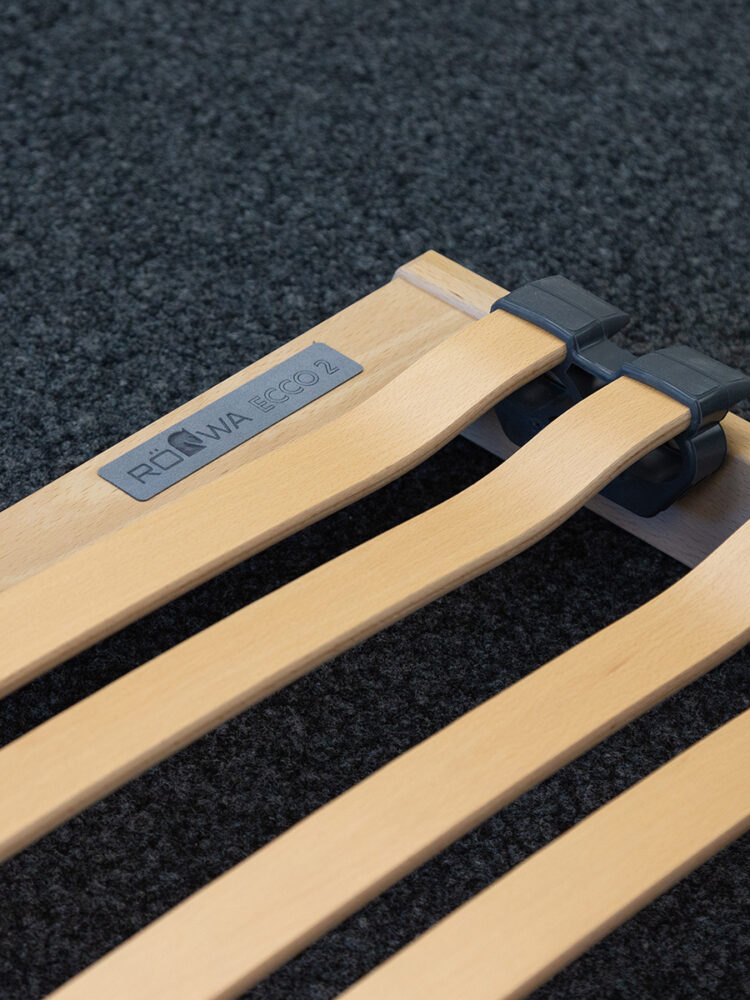
Squeaking or creaking when changing position are not only annoying – they also indicate material fatigue. These noises are often caused by loose screws, old wooden slats or worn joints in the slatted frame. In addition to the noise nuisance, this is a clear warning sign of wear and tear.
6. indentations or waves in the mattress
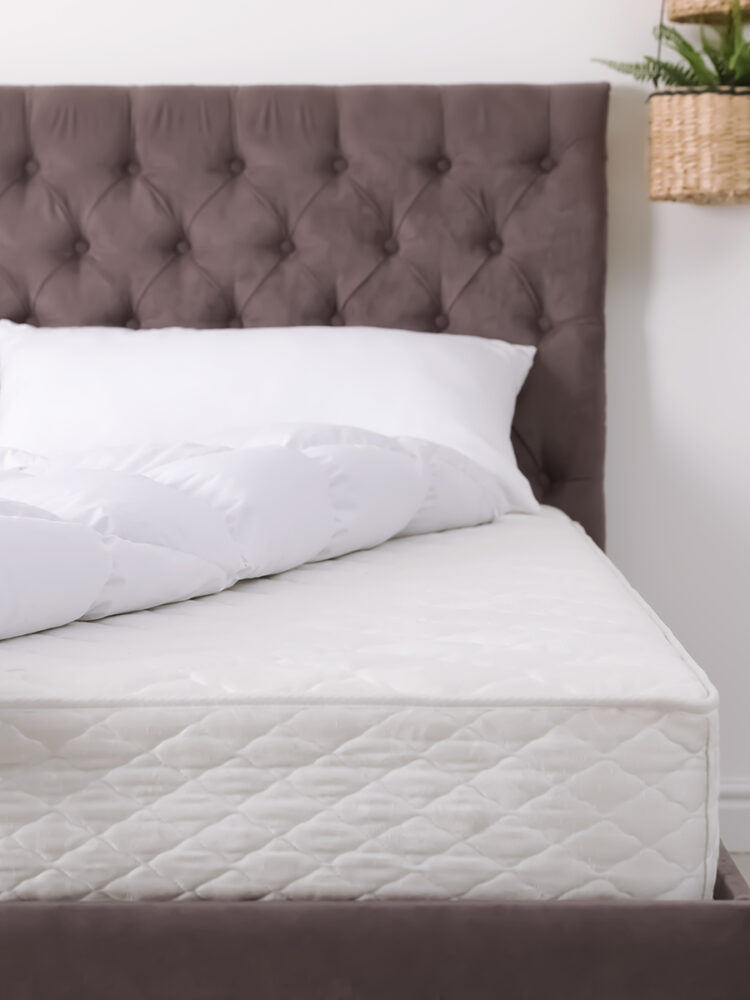
Visible hollows or waves clearly show that the mattress has lost its dimensional stability. The body is no longer adequately supported in these areas, which leads to tension and poor posture. In double beds in particular, this problem often occurs in the middle, where the load is highest.
7. morning stiffness in the neck or shoulders
If you wake up in the morning with a stiff neck or aching shoulders, the interaction between pillow, mattress and slatted frame is no longer optimal. Side sleepers in particular react sensitively to incorrect sleeping zones. An ergonomically coordinated combination can work wonders here.
8. allergic reactions or breathing problems
An old mattress can become a breeding ground for dust mites, mold or bacteria. Frequent sneezing, itchy eyes or coughing at night are clear signs that the bed is overburdened in terms of hygiene. Regular airing, washing the covers and replacing the mattress in good time are essential here.
9. partner movements are strongly perceived
If every movement of your partner wakes you up, the mattress has lost its point elasticity. High-quality models reduce vibrations and ensure individual lying comfort – regardless of how the other person moves. Couples in particular benefit from zone mattresses or two separate cores.
10. you sleep better somewhere else than at home
If you sleep better in a hotel, with friends or even on the guest couch, this is an unmistakable sign: Your bed is no longer providing your body with the right support. This difference is often the last and clearest warning signal that it’s time for a new bed.
Conclusion
Back pain, restless sleep or night sweats are no coincidence – they are warning signals from your body. An old or unsuitable bed is often the cause. If you take these signs seriously, you can not only improve the quality of your sleep, but also your long-term health. A regular bed check is worthwhile – for restful nights and a pain-free start to the day. On our price page, we show you which solutions are suitable for different needs and budgets.
FAQ – Frequently asked questions about bed condition
How long does a bed last on average?
A high-quality bed with a sturdy construction and good mattress will last around 8 to 10 years. After that, the support often decreases noticeably, even if the wear and tear is not immediately visible.
Find out more now.
How can I tell if my mattress is sagging?
If you can feel yourself slipping into a hollow when lying down or your back is no longer evenly supported, the mattress is sagging. Visible hollows and frequent changes of position during sleep are also warning signs.
Find out more now.
When is a mattress change really necessary?
As soon as tension, back pain or restless sleep persist despite exercise or other habits, a change is advisable. Particularly with older models or visible wear and tear, there should be no hesitation.
Can a slatted frame be to blame if I sleep badly?
Yes, absolutely. An unstable or outdated slatted base can completely cancel out the effect of the best mattress. The body is only optimally supported if both components fit together.
Subscribe to the newsletter now
With our newsletter, you will receive regular tips for restful sleep, information on new products and exclusive promotions so that you wake up refreshed every morning.