How to keep your bedroom fit for winter: indoor climate, temperature, ventilation and furnishings
Sleep better with the right balance of warmth and air quality

Appointment for a sleep consultation
When it gets cold outside and the heating is on again, not only does the indoor climate change, but sleep often does too. Many people wake up in winter with dry mucous membranes, feel cold despite warm rooms or sleep more restlessly than usual. The body reacts sensitively to dry air, temperature fluctuations and unsuitable materials. This is precisely why it is worth consciously adapting the bedroom during the cold season. Even small changes can make a noticeable contribution to better rest.

Mattress care: Hygienic and durable

Bed linen in winter: Warming and cozy

Indoor climate in winter: Healthy, balanced sleeping climate
Why the indoor climate is so important in winter
In winter, the humidity often drops due to heating. The room air becomes dry, which irritates the mucous membranes, stresses the respiratory tract and can make sleep more restless. A balanced room climate, on the other hand, supports nightly regeneration and ensures a pleasant feeling during sleep.
The ideal humidity level is between forty and sixty percent. Plants, a bowl of water or a humidifier help to keep the air in the bedroom more pleasant and improve well-being.
The right temperature for restful hibernation
Room temperature also plays a key role. If it is too warm, sleep falls more easily and is interrupted more frequently. If it is too cold, the body reacts with tension, which also impairs recovery.
A slightly cool bedroom with a temperature between sixteen and eighteen degrees supports the natural sleep rhythm. The body can relax better and finds it easier to enter the deep sleep phases that are particularly important for regeneration.
Ventilate correctly even in the cold
Fresh air is just as important in winter as it is in summer. Regular ventilation ensures a good oxygen content and reduces stale air in the bedroom. Opening the windows briefly and forcefully in the morning and evening is enough to improve the indoor climate without cooling the room down.
It is important to turn the heating down briefly during ventilation and then ensure a constant temperature again. This keeps the bedroom fresh, quiet and energy-efficient.
Warmth without heat build-up: the right bedding
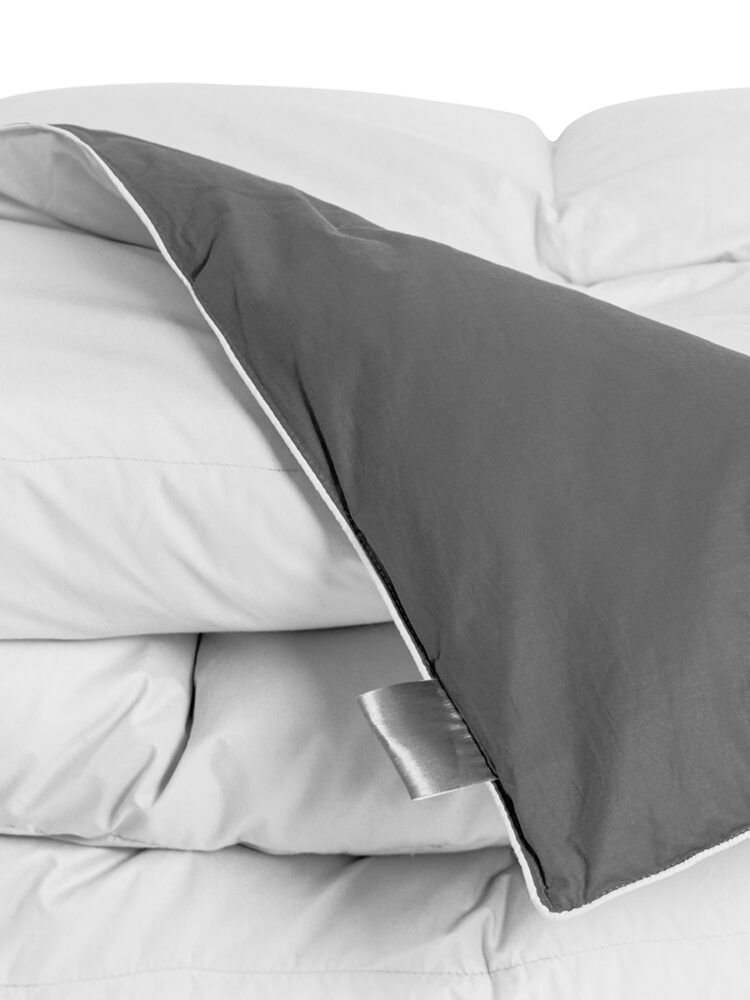
In winter, the body needs warmth, but also the ability to release excess moisture. A good winter comforter keeps you evenly warm and at the same time ensures a dry, comfortable sleeping climate.
Natural materials such as down or natural hair offer good temperature regulation, while modern functional fibers are easy to care for and often suitable for allergy sufferers. The decisive factor is not so much the weight, but the combination of thermal performance and breathability.
Bed linen that supports you in winter
Bed linen also influences the feeling of sleep. Materials such as flannel or jersey feel warmer and help to retain body heat in bed. They create a cozy feeling, especially on cold nights.
Smooth cotton fabrics tend to have a cooling effect and are more suitable for summer. In winter, it is therefore worth consciously opting for heat-retaining textiles to stabilize the sleeping climate.
Mattress care in the cold season
Due to heating and less frequent ventilation, moisture collects in the mattress more quickly in winter. Regular care is therefore particularly important. Turning the mattress, airing it out several times a week and ensuring good air circulation not only maintains hygiene, but also comfort.
A well-maintained mattress supports the body evenly and helps to prevent tension and pressure points.
Why the body needs different conditions in winter
Cold, darkness and dry air place additional strain on the body. The muscles are more prone to tension, the heat balance needs to be regulated more and regeneration requires more support.
A consciously designed sleeping environment helps the body to balance these challenges and deepen nightly recovery.
Conclusion
Winter places special demands on the bedroom. Adjusting the room climate, temperature, ventilation and bedding to the cold season creates the best conditions for restful sleep. Even small adjustments ensure that the body can rest better at night and gather new energy. The right bedding is a decisive factor for restful sleep in winter. On our pricing page, we show which solutions are suitable for different needs and budgets.
FAQ – Frequently asked questions
How often should I ventilate in winter?
Briefly airing the room for a few minutes two or three times a day is enough to let in fresh air and improve the indoor climate.
Which comforter is best for cold nights?
A winter comforter should be warm but breathable. Down or natural hair regulates the temperature particularly well and prevents heat build-up.
Why am I freezing despite the warm room temperature?
This is often due to unsuitable bed materials. If moisture is not wicked away, the body cools down more quickly – even in warm rooms.
Can dry heating air affect sleep?
Yes, dry air irritates the mucous membranes and can lead to restless sleep. Balanced humidity significantly improves the sleeping environment.
Subscribe to the newsletter now
With our newsletter, you will receive regular tips for restful sleep, information on new products and exclusive promotions so that you wake up refreshed every morning.