
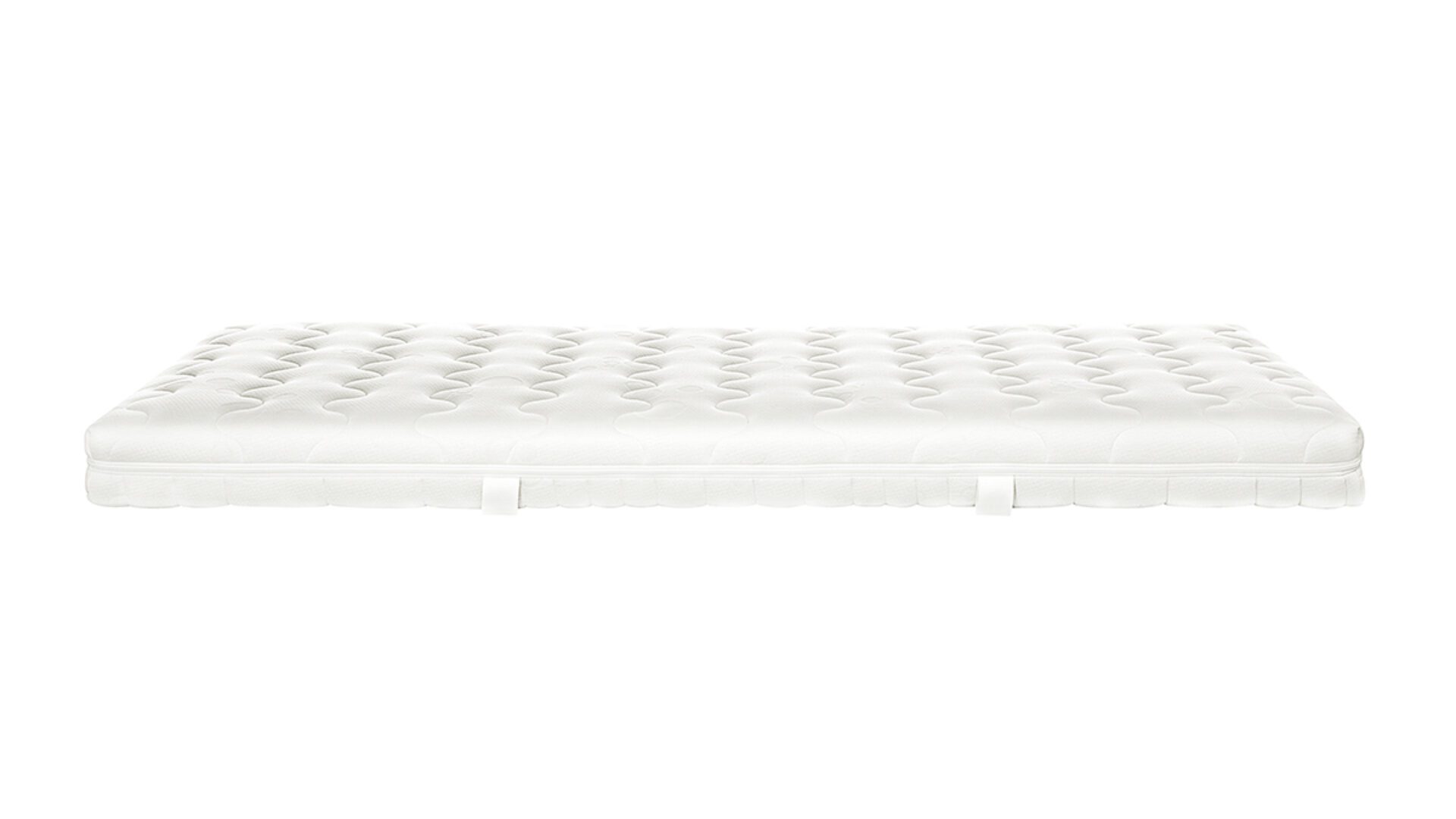
Orthopaedic mattress: The ultimate guide
Do you always wake up feeling tired and tense? The mattress is often to blame because it no longer supports the body sufficiently. An orthopaedic mattress provides a new quality of life and relaxed sleep.
Why an orthopaedic mattress is so important
An orthopaedic mattress supports the spine in its natural shape, distributes pressure evenly and ensures that muscles, intervertebral discs and joints can regenerate during the night. It is particularly important for people with back pain or orthopaedic problems in order to alleviate pain and prevent consequential damage.
In this context, orthopaedic means that the mattress is ergonomically designed, has a sensible zoning, supports the body in the right places and relieves pressure points at the same time.
When should you change your orthopaedic mattress?
The right time to change the mattress depends on several factors, especially the condition of the mattress and your personal sleeping comfort.
Typical signs that a change is necessary
- Hollows or deformations in the lying surface
- Back pain or tension after getting up
- Restless sleep or frequent waking up
- Musty odor or visible stains
- Noticeable springs or hard spots
- Increase in allergy symptoms
Service life
High-quality orthopaedic mattresses last an average of 7 to 10 years. With good care, this period can be somewhat longer, or even shorter with intensive use or inferior quality.
Finding the right mattress – what you should look out for
Choose the right degree of hardness
- Too soft – spine sinks in too much, leading to poor posture
- Too hard – shoulders and hips are overloaded
- Optimal – spine remains straight, pressure points are relieved
Select suitable material
- Latex – elastic, durable, ideal for allergy sufferers
- Memory foam – adapts exactly to the contours of the body
- Spring core – very good air circulation and firm support
- Hybrid – combination of spring core and foam for balanced support
Note size
The mattress should match the bed frame and offer sufficient freedom of movement, especially if you sleep as a couple.
Individual testing
It is best to try out different models at Schlafpunkt and ask for advice. This is the only way to be sure that the mattress is perfectly suited to your build, weight and sleeping style.
Care for a longer service life
- Turn regularly, rotate crosswise and lengthwise every 3 to 6 months
- Air out the mattress without bed linen to reduce moisture
- Use mattress protectors to protect against stains and wear and tear
- Professional cleaning for heavy soiling or odors
Environmentally friendly disposal
Many municipalities offer collection or take-back services. Alternatively, you can take your old mattress to a recycling center where it will be professionally recycled.
Frequently asked questions
How long does an orthopaedic mattress last?
With good care, a mattress will last an average of 7 to 10 years. High-quality models can retain their support and shape for even longer
Where is the best place to buy?
Schlafpunkt offers personal advice and the opportunity to test mattresses on site.
How can I protect myself from a bad purchase?
Test the mattress before buying, if possible. Make sure it provides the right support for your spine and check whether the firmness level and material suit your sleeping style. Also seek expert advice to minimize the risk of an unsuitable mattress.
Conclusion
An orthopaedic mattress is more than just a sleeping surface. It is a crucial building block for pain-free sleep, healthy posture and improved quality of life. Check every 7 to 10 years at the latest whether your mattress is still providing optimum support, or act immediately if you experience any complaints.