Sleep better in winter: How light, temperature and rituals influence your sleep rhythm
How light, temperature and rituals stabilize the sleep rhythm in winter
Appointment for a sleep consultation
When the days get shorter and darkness sets in earlier, it’s not just everyday life that changes for many people, but also their sleep. Tiredness in the afternoon, a feeling of listlessness and restless nights are part of everyday life for many in winter. The combination of less daylight, cooler temperatures and an altered rhythm can easily throw your internal clock out of balance. The good news is that with a little understanding of what our body needs at this time of year, our sleep rhythm can be stabilized in a targeted manner.

Light and sleep rhythm: clocks the internal clock

Temperature in winter: Promotes deep sleep

Evening rituals: calm the body and mind
Why less daylight affects sleep
Light is one of our body’s strongest clocks. If it is missing in the morning, our internal clock starts later and this is noticeable throughout the day. Tiredness lasts longer, concentration wanes earlier and it is difficult to fall asleep in the evening, even though it is already dark outside. At the same time, melatonin levels rise earlier and stay high for longer, which can affect mood and have a negative impact on the mind.
Even a little natural light in the morning, ideally outdoors, helps the body to realign its day-night rhythm. The organism understands: The day has begun.
How temperature and indoor climate disrupt sleep
Winter not only brings cold weather, but also dry heated air – a combination that can significantly impair sleep. If the bedroom is too warm or too dry, it is difficult to fall asleep and deep sleep phases become shorter. The dry air also irritates mucous membranes, which can lead to waking up at night.
A cool, fresh room supports sleep best. A brief exchange of air, even on cold days, ensures a pleasant climate. Breathable bed linen and suitable sleepwear help the body to maintain a constant temperature during the night.
Light in the bedroom – an underestimated influence
In winter, we spend more time in artificially lit rooms. Lamps, screens and tablets emit light waves that make it difficult to fall asleep. Blue light in particular signals to the brain that it is still daytime and the production of the sleep hormone melatonin is delayed.
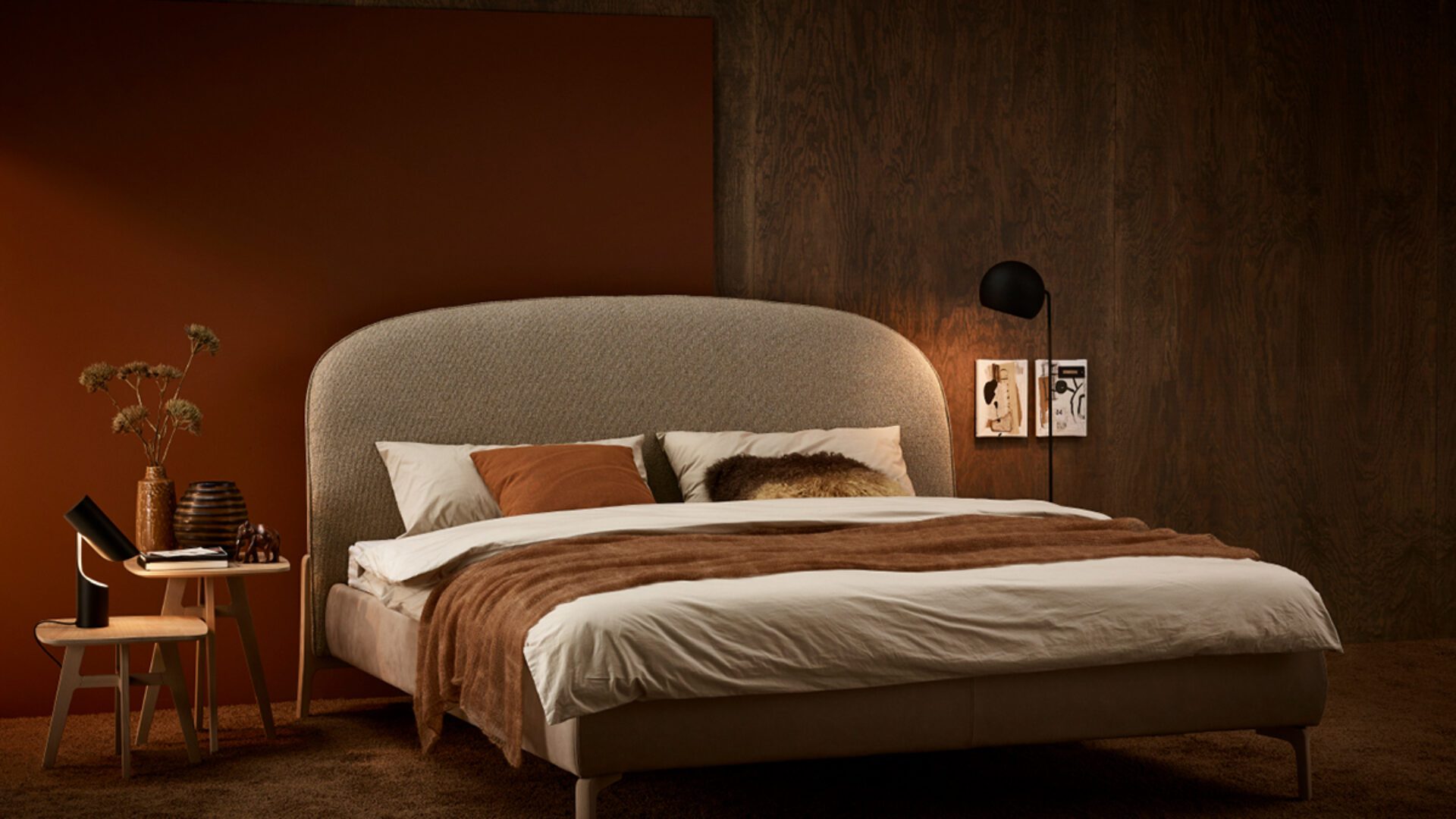
A calm transition into the evening is easier if the light is dimmed and warm colors are used. Reducing screen time shortly before going to bed can also have a great effect. The more natural the surroundings appear in the evening, the easier it is for the body to find rest.
The ideal sleeping temperature in winter
The body needs a slightly lower temperature in order to fall asleep. A bedroom that is kept between sixteen and eighteen degrees optimally supports this process. Rooms that are too warm prevent the body’s core temperature from dropping, which can inhibit sleep.
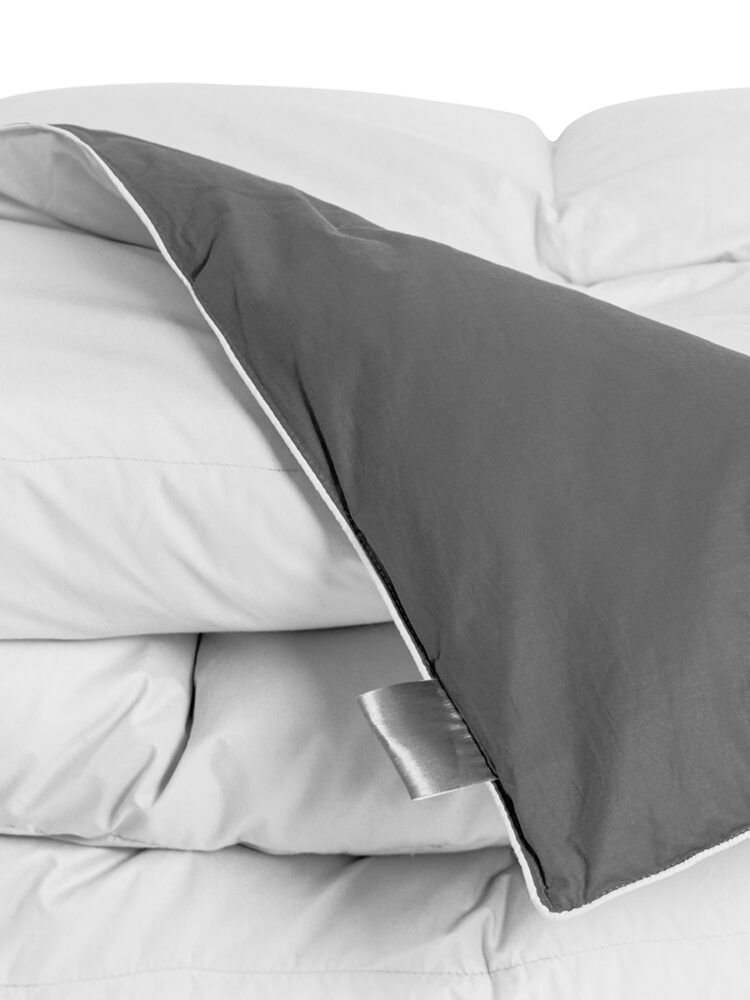
A calm, constant room temperature, good air circulation and a suitable comforter help to promote comfort and regeneration during the night. A hot water bottle can be beneficial as long as it does not heat up the room unnecessarily.
Rituals that stabilize the winter biorhythm
Our body loves regularity. Recurring routines convey a sense of security and help us to find our bearings, especially at a time of year when the natural signals from the environment are less clear. A consistent time for going to bed and getting up, a calm evening mood and small rituals support inner balance.
A warm bath, a good book or a few minutes of conscious relaxation give the body the signal that the day is coming to an end. When light, temperature and processes are in harmony, an environment is created that promotes night-time regeneration.
Conclusion
Winter changes our rhythm and therefore also our sleep. Anyone who understands how light, temperature and personal habits affect the body can achieve a lot with simple adjustments. A consciously organized start to the day, a quiet evening and a balanced room climate create the basis for restful nights. The right bedding is a decisive factor for restful sleep in winter. On our pricing page, we show which solutions are suitable for different needs and budgets.
FAQ – Frequently asked questions
Why don’t I get really tired in the evening in winter, even though it gets dark early?
The natural light that starts the day is often missing in the morning. The melatonin rhythm shifts – tiredness and alertness no longer match the course of the day.
Can light in the morning improve my sleep?
Yes, just a few minutes of bright light after getting up stabilizes your inner rhythm and significantly improves the quality of your sleep.
Why am I freezing at night even though the room is warm?
Dry heated air, unsuitable bed linen or a lack of breathability can disturb the feeling of temperature. A balanced bed climate helps immediately.
Does a daylight lamp help against winter fatigue?
A lamp with sufficient light intensity, ideally around 10,000 lux, supports the natural hormonal rhythm and can improve energy and mood, especially in the morning.
Subscribe to the newsletter now
With our newsletter, you will receive regular tips for restful sleep, information on new products and exclusive promotions so that you wake up refreshed every morning.