Sleep & immune system in winter: Why good sleep is now more important than ever
How restful sleep in winter strengthens the immune system and protects health
Appointment for a sleep consultation
When the days get shorter and the temperatures drop, not only does our everyday life change, but our body also reacts noticeably to the new season. Many people feel exhausted more quickly in winter, fall ill more often or don’t wake up feeling refreshed despite getting enough sleep.
It is precisely now that we realize how important a good night’s sleep really is – for our health, immune system and general well-being.

Sleep and immune system: strengthens the body’s defenses

Hibernation and regeneration: recovery for the body

Bed climate in winter: Calm, warm, balanced
How sleep supports the immune system
While we sleep, our body continues to work in the background. During the deep phases of sleep, it forms new immune cells, regulates inflammation and repairs cell damage. This nightly recovery is crucial for the immune system to remain strong and reliably protect us.
If sleep is lacking or restless, this process comes to a standstill and the body reacts more quickly to viruses and bacterial contamination.
Why winter makes us more vulnerable
The cold season is particularly challenging for the immune system. Cool air, less daylight and dry heated air put a strain on the body. At the same time, we spend significantly more time indoors, move less and are often under additional everyday stress.
This combination means that many people fall ill more often in winter, especially if their sleep is not optimally supported.
When sleep does not recover: Effects on health
Just a few nights of poor sleep can noticeably weaken the immune system. The body produces fewer T cells, reacts more slowly to pathogens and finds it harder to regenerate.
Anyone who sleeps restlessly for a long time or has problems sleeping through the night quickly notices how their resistance decreases and colds occur more frequently.
How a good sleep system relieves the body
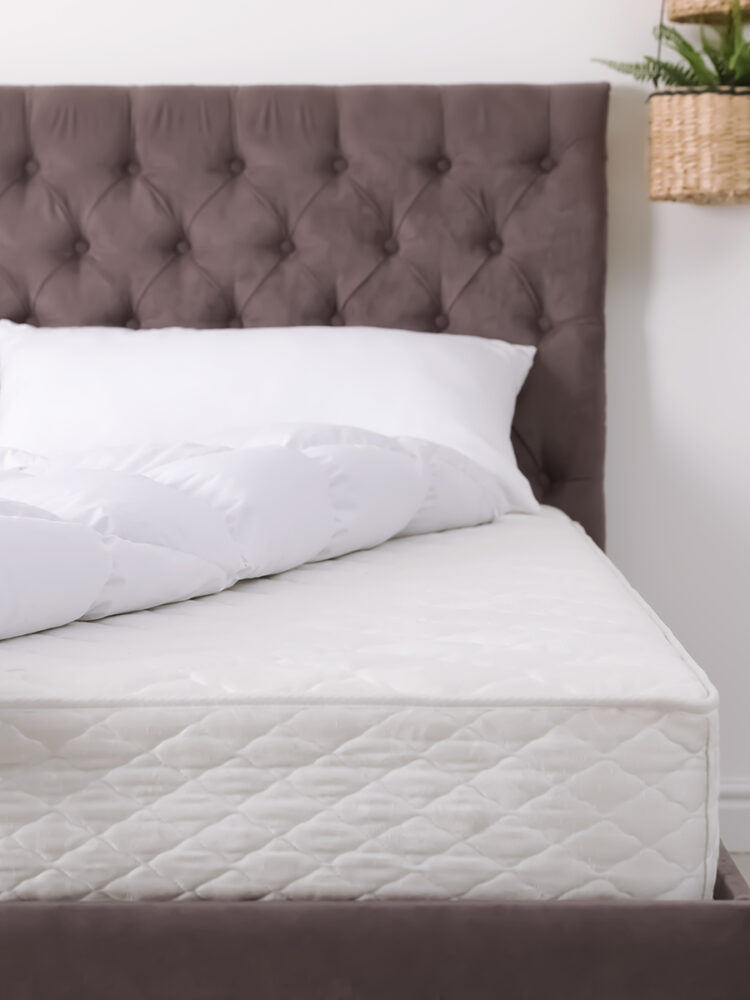
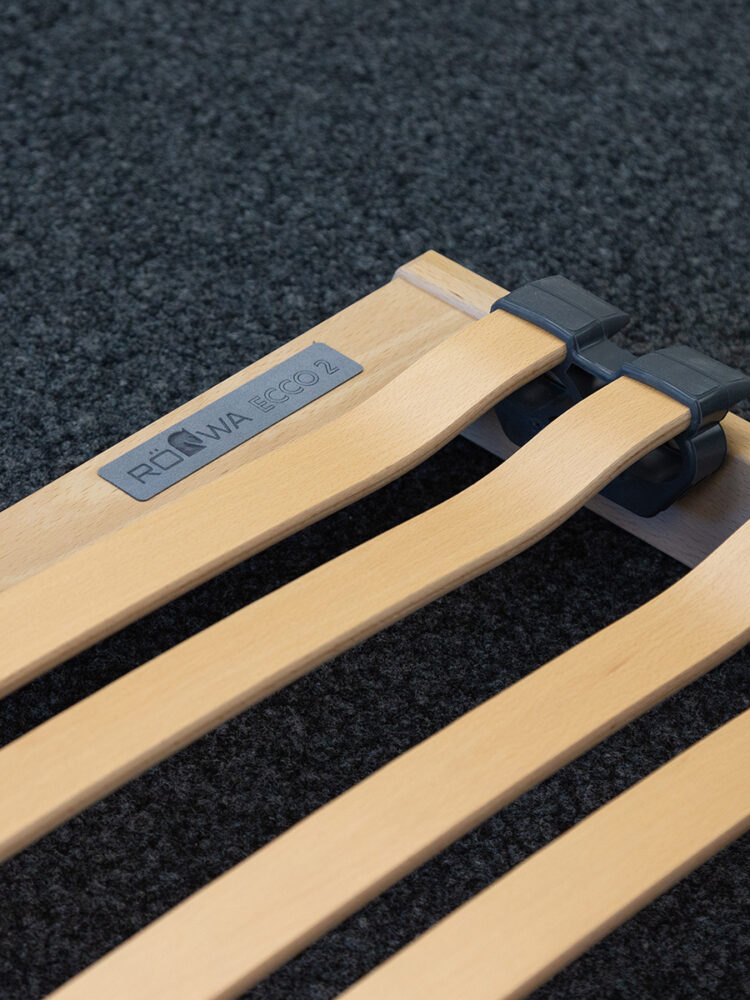
Restful sleep does not happen by chance. The mattress, slatted frame and topper determine how relaxed the body lies and how easily it enters the important deep sleep phases.
A balanced sleep system supports the spine, relieves pressure on joints and prevents unnecessary movements during the night. The quieter we lie, the longer the body stays in regenerative sleep – an important prerequisite for a strong immune system.
The ideal bed climate in winter
The bed climate plays a key role, especially in the cold season. The right temperature, usually between 16 and 18 degrees, helps the body to regulate itself stably overnight.
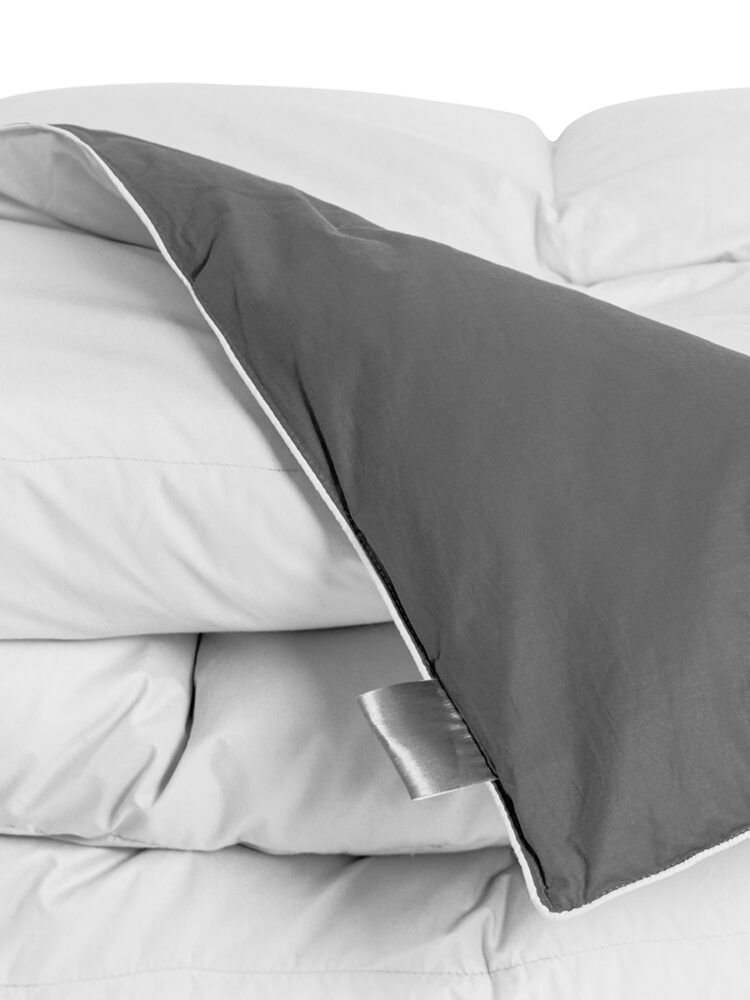
Natural materials, breathable comforters and regular ventilation prevent you from freezing or overheating. A balanced microclimate in bed ensures rest, relaxation and less strain on the immune system.
A sleeping environment that protects
A quiet, darkened and clean room creates the best conditions for restful nights. Less light, less noise and fresh air not only support the quality of sleep, but also general well-being.
Even small changes – a tidy bedroom, new habits, a clearly structured sleeping area – can help the body to regenerate better and remain more resilient.
Conclusion
Winter poses particular challenges for our immune system, making sleep all the more important as a daily source of relaxation. If you consciously design your bedroom and pay attention to a balanced bed climate, suitable materials and sufficient rest, you create the ideal conditions for a strong body. In this way, the night becomes a source of strength that helps you get through the cold season in good health. On our pricing page, we show which solutions are suitable for different needs and budgets.
FAQ – Frequently asked questions
Why do I get sick so quickly in winter – despite getting enough sleep?
Because the cold, dry air and lack of light put a heavy strain on your immune system. If your sleep is also not restful, your body cannot regenerate properly at night – and you become more susceptible to infections
How important is a good night’s sleep for my immune system?
Very important. During deep sleep, immune cells are formed, inflammation is regulated and the body regenerates. Just a few bad nights can significantly reduce immune performance.
Can a bed that is too warm make you ill?
Yes, if you sweat at night or feel unwell, you will sleep more restlessly. This reduces the quality of your sleep and therefore also the effect on your immune system. Ideal: 16-18 °C room temperature, breathable materials.
How quickly does better sleep affect my health?
Your body starts to recover after just 1-2 nights of good sleep. The immune cells work more effectively – and you become less susceptible to colds and infections.
Subscribe to the newsletter now
With our newsletter, you will receive regular tips for restful sleep, information on new products and exclusive promotions so that you wake up refreshed every morning.