Fact check on sleep myths
Degree of firmness, lying position & gut feeling

Appointment for a sleep consultation
Good sleep is crucial for health, concentration and well-being. Nevertheless, there are many persistent misconceptions about the right sleeping position. Whether it’s about the degree of firmness, the ideal sleeping position or the famous “gut feeling” – not everything that is widespread corresponds to the facts. In this article, we take a closer look at the most common sleep myths and show what is really true.
Myth 1: The firmer the mattress, the better for your back
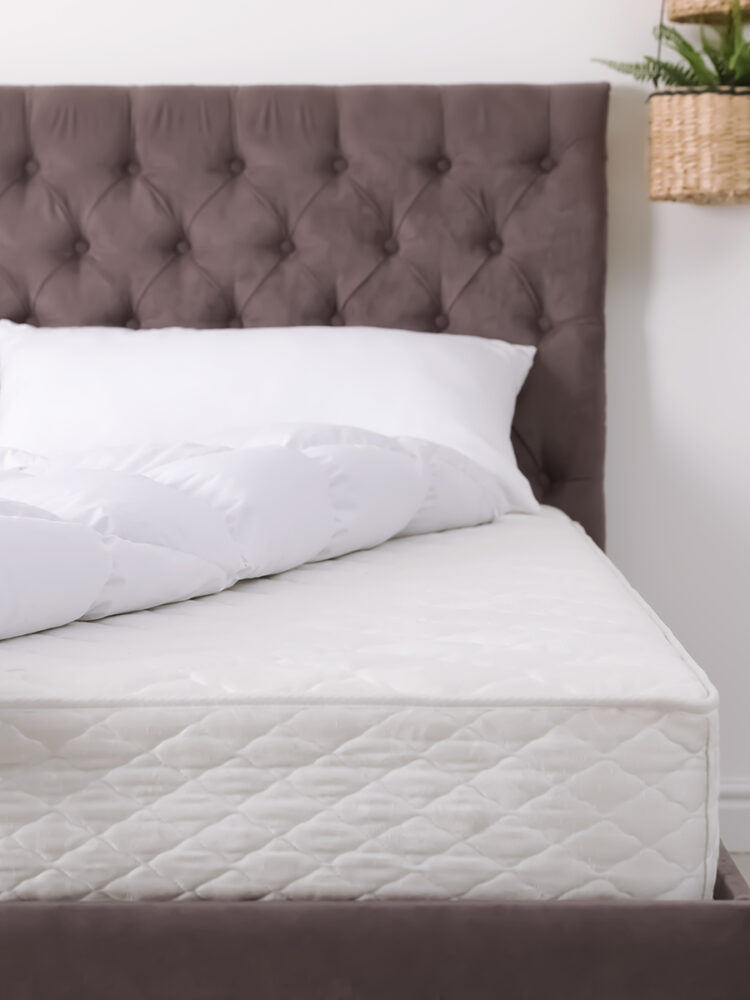
A widespread misconception. A mattress that is too hard can cause pressure points and force the spine into an unnatural position. A mattress that supports the body in the right places and at the same time gives way is ideal – this keeps the spine in its natural shape. If you want to know how to find the optimum firmness, read here.
Myth 2: Back sleepers automatically have the healthiest lying position
Although the supine position is considered ergonomically advantageous, it is not suitable for everyone. People with sleep apnoea, snoring problems or tension in the lower back often sleep better on their side. It is crucial that the head, neck and spine are well aligned.
Myth 3: Sleeping on your stomach is unhealthy
This is only partly true. Stomach sleepers often put strain on the cervical spine due to the rotation of the head. If you prefer this position, you should make sure you have a firm but flexible mattress and a very thin pillow to relieve the strain on your neck. Sleeping on your stomach can also be gentle on your back.
Myth 4: The body gets used to any mattress
The body adapts, but not to every surface equally well. A poor or unsuitable mattress can lead to tension, pain and restless sleep in the long term. After one or two weeks at the latest, lying comfort should improve significantly – otherwise the model is unsuitable.
Myth 5: Gut feeling decides best
Intuition is important, but is no substitute for an objective assessment. Many mattresses feel comfortable the first time you try them out, but only reveal their true quality after several nights. A combination of subjective feeling and expert advice usually leads to the best result.
Conclusion
Many sleep myths persist, even though they have long been disproved. The decisive factors are always individual needs, ergonomic support and a high-quality mattress. If you get good advice and pay attention to your body’s signals, you will find it easier to get restful sleep. On our price page, we show which solutions suit different needs and budgets.
FAQ – Frequently asked questions about sleeping comfort
Which sleeping position is the healthiest?
Experts consider the supine and lateral positions to be ideal, as they protect the spine and promote breathing. It is important that the pillow and mattress support the natural posture.
How do I find the right degree of hardness?
The firmness level should match your body weight and preferred sleeping position. Lighter people usually sleep better on softer mattresses, heavier people on firmer ones – the even distribution of pressure is crucial.
Find out more now.
How long does it take to get used to a new mattress?
As a rule, the body needs one to two weeks. During this time, the muscles and spine adapt to the new lying surface. If the discomfort lasts longer, the mattress is probably unsuitable.
How important is the pillow for a good night’s sleep?
Very important. The pillow stabilizes the head and neck and thus influences the entire posture. An unsuitable pillow can ruin the best mattress comfort. Find out whether your pillow suits you perfectly. To the pillow check.
Subscribe to the newsletter now
With our newsletter, you will receive regular tips for restful sleep, information on new products and exclusive promotions so that you wake up refreshed every morning.