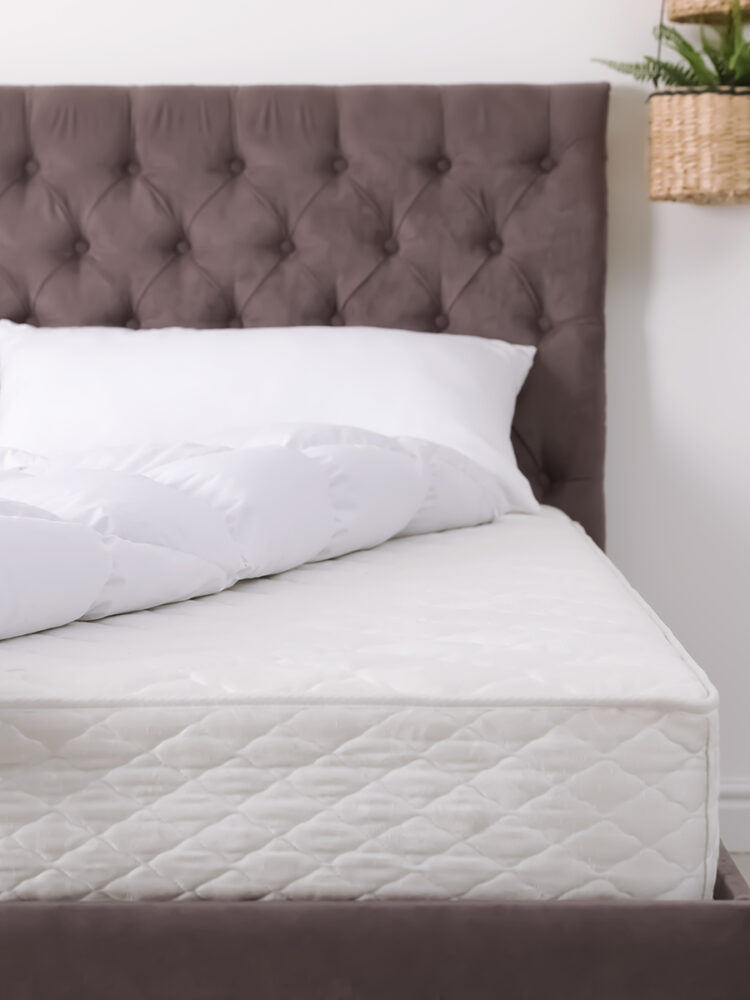

A mattress accompanies us every night for many years – so it is all the more important to make the right decision when buying one. However, there are numerous myths and misunderstandings surrounding mattresses, which often lead to bad purchases. In this guide, you will find out which misconceptions are particularly common, why they are problematic and how you can really make the right choice when buying your next mattress.
What are the most common mistakes when buying a mattress?
Misconception 1: Harder is always better
Many people believe that a hard mattress is automatically healthier for the back. But the opposite is often the case. Ergonomic support is crucial – the mattress should adapt to the shape of the body and keep the spine in its natural position. Finding the right mattress firmness.
Misconception 2: One mattress fits all
Not everyone sleeps the same. Body weight, sleeping position and personal preferences play a major role. A one-size-fits-all mattress can therefore hardly offer optimum comfort for everyone. Individual advice and test sleeping are crucial to finding the right model.
Misconception 3: Expensive automatically means better
A high price is no guarantee of quality. The decisive factors are material, workmanship and personal fit. There are also high-quality models in the mid-price segment that offer the same comfort as more expensive models.
Misconception 4: Mattresses need to be replaced every few years
The lifespan depends heavily on quality and care. A high-quality mattress can last up to ten years or longer if it is regularly aired, turned and used correctly. Find out more.
Misconception 5: Only the mattress determines sleeping comfort
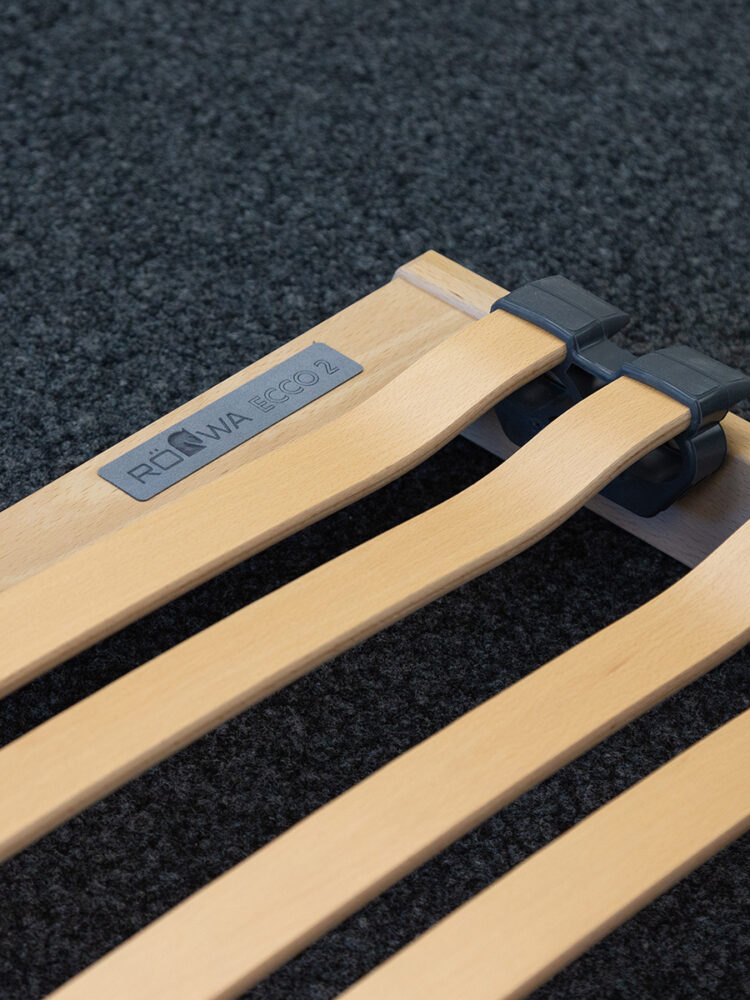
A mattress always works in combination with the slatted frame, the pillow and the room climate. Anyone who only invests in a new mattress without considering the entire sleep system is wasting valuable potential for better sleep.
Misconception 6 – The thicker the mattress, the more comfortable
Many people assume that a particularly thick mattress automatically offers more comfort. However, it is not the height that is decisive, but the inner structure. A thinner mattress with high-quality layers can be significantly more ergonomic and supportive than a thick but poorly made model.
Misconception 7: Allergy sufferers need special anti-allergy mattresses
Many so-called allergy mattresses hardly differ from high-quality standard models. Washable covers, breathable materials and regular care are important – this is often enough to keep your sleep hygienic.
Conclusion
Buying a mattress is more complex than many people think. Knowing and avoiding the most common mistakes makes it easier to find a model that will ensure restful and healthy sleep in the long term. Advice, quality awareness and patience when testing are the keys to making the right decision. On our price page, we show which solutions suit different needs and budgets.
FAQ – Frequently asked questions
How often should you change a mattress?
The lifespan depends on the quality and care. High-quality mattresses usually last 8 to 10 years, while cheaper models often have to be replaced sooner.
Find out more now.
Which degree of hardness is the right one?
The right degree of firmness depends on body weight, sleeping position and personal comfort. The spine should lie in a natural line – this is more important than pure firmness.
Find out more now.
Are expensive mattresses automatically better?
Not necessarily. The decisive factors are material quality, workmanship and individual fit. Even models in the mid-price segment can be very high-quality and durable.
Subscribe to the newsletter now
With our newsletter, you will receive regular tips for restful sleep, information on new products and exclusive promotions so that you wake up refreshed every morning.