Why a good bed is always a system
It’s not the mattress that counts – it’s the interaction
Appointment for a sleep consultation
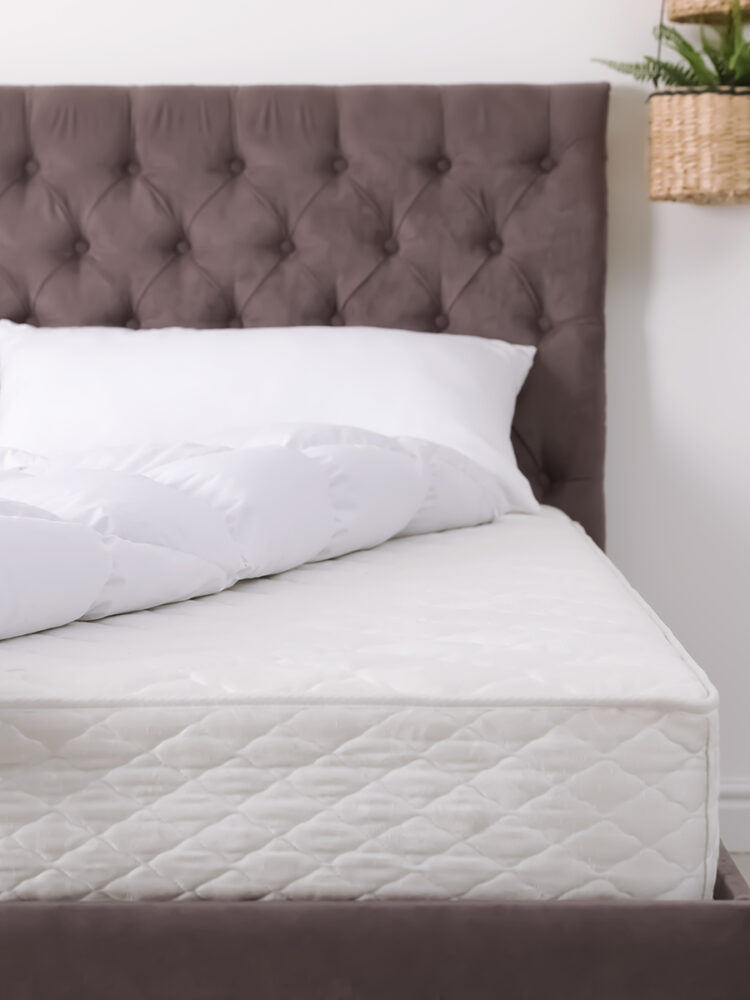
Firmness level, material, test winner: the choice is huge – but the clarity afterwards is often not. This is because sleep quality is rarely created by a single product, but by the coordination of mattress, slat base, pillow and climate. Only when these elements match the body, sleeping position and personal needs does a system emerge that provides real relief and supports restful sleep in the long term.
Briefly explained
A good bed consists of more than just a mattress.
It is a coordinated system of:
- Mattress
- Suspension
- Pillow
- Bed climate
If one element changes, it influences the others.
Sleep quality is the result of interaction – not individual parts.
Individual product thinking vs. system thinking
Single product thinking
- Focus on degree of hardness
- Product comparison instead of body analysis
- Exchange on suspicion
System thinking
- Focus on fit
- Analysis of the storage
- Pressure distribution in the overall structure
- Decision based on objectification
The focus is not on the product – but on your body in the system.
If you want to classify your sleep realistically before comparing components, this article will help:
5 questions that help you to realistically assess your own sleep
What a sleep system must achieve
1. neutral storage
The spine needs guidance and relief – adapted to the body shape and sleeping position.
2. balanced pressure distribution
The shoulders and hips should be able to sink in without other areas becoming unstable.
3. movement rest
It should be possible to change position without unbalancing the system.
4. stable bed climate
Heat and moisture regulation can influence how calm and stable you get through the night.
What happens if the system is not tuned?
- Muscles remain active
- Corrective movements on the rise
- Pressure points arise
- Sleep feels restless
- Individual components are replaced prematurely
Many then believe they have the wrong product –
in reality, the tuning is missing.
Why individual optimization often only postpones problems
Sometimes the solution seems simple: a different pillow, a new mattress or changed settings. In some cases, this is actually enough. However, this often does not solve the actual problem, but only shifts it within the sleep system. This is because every adjustment changes the interaction between the individual elements – and can trigger new interactions.
Systems thinking is particularly crucial for couples
Couples in particular show how important it is to take a holistic view of the sleep system. Different weights, different shoulder widths, different sleeping positions and different sensations of warmth have a direct effect on the joint sleeping solution. One system for two bodies automatically generates interactions. That’s why individual coordination is required – and no compromises when it comes to the product.
You can’t just feel a system – you have to judge it
Test lying gives a first impression and shows how a sleeping solution feels. However, it is not only the feeling that is decisive, but also the actual positioning of the body. An analysis reveals how the body lies, while an objective assessment provides information on pressure distribution and possible stress points.
A structured sleep consultation with lying analysis helps to identify the greatest leverage in the system – before individual elements are replaced on suspicion. The spine scan serves as a decision-making aid, but is not a medical diagnosis and is not a substitute for a medical examination.
When the entire system should be rethought
- Several complaints occur simultaneously
- No position feels stable
- You sleep much better elsewhere
- Individual adjustments do not bring lasting improvement
Then the cause usually lies in the interaction.
As an in-depth orientation (priorities in the system):
What is most important when it comes to the bed?
Effects on everyday life and recovery
An unstable system often affects more than just the night. It can manifest itself in:
- morning mobility
- Daily energy
- Concentration
- Load capacity
What is not coordinated at night has an effect during the day.
Conclusion
A good bed is rarely just a mattress. It is a system that only works if the positioning, pressure distribution, ease of movement and climate all fit together. Optimizing just one part is sometimes a mistake – and often a guess.
If you are unsure, don’t start with the product, but with the classification: What is the biggest lever in your system? If you understand this, you will make calmer – and usually more sustainable – decisions.
FAQ – Frequently asked questions
Isn’t it enough to simply buy the right mattress?
A suitable mattress is important – but without a coordinated slat base, pillow and climate, even a good product can appear unstable.
What role does the slatted frame really play?
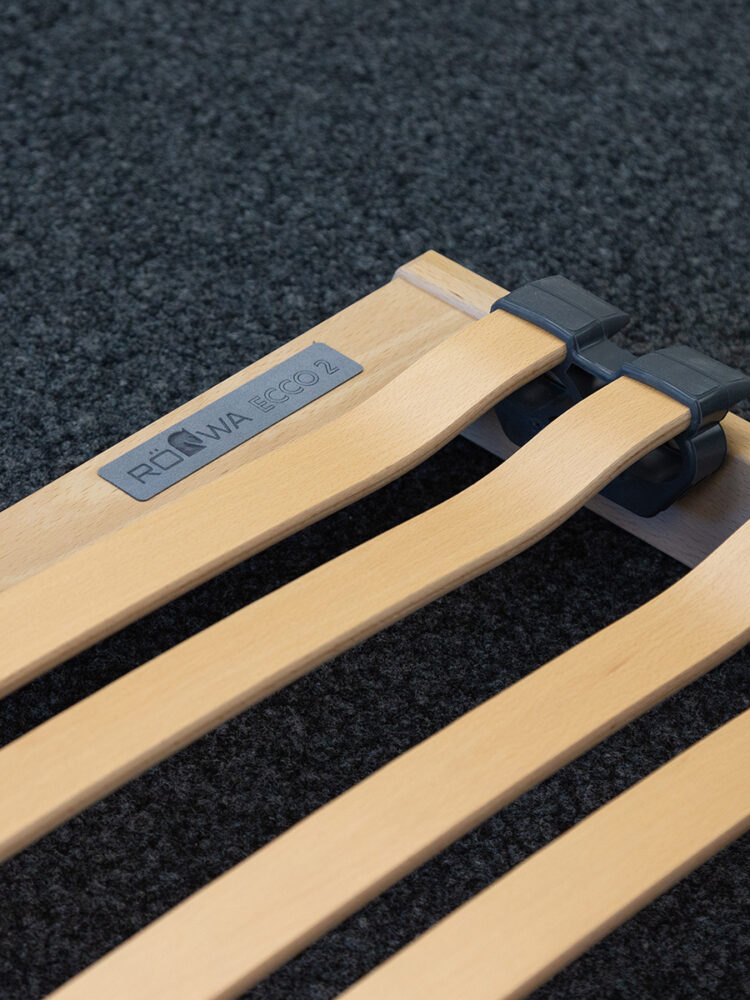
The spring base has a significant influence on support and ease of movement. A good mattress can lose its effect if the base is unsuitable.
Why does a bed feel good in the store – but not at home?
Test lying shows a short-term feeling. However, the decisive factor is how stable the positioning remains over several hours.
Does everything always have to be replaced in the event of problems?
Not necessarily. The greatest leverage often lies with a single component. The analysis of the overall system is crucial.
What are the specific benefits of a lying analysis?
It makes positioning and pressure distribution comprehensible and helps to make well-founded decisions. However, it does not replace a medical diagnosis.
Subscribe to the newsletter now
With our newsletter, you will receive regular tips for restful sleep, information on new products and exclusive promotions so that you wake up refreshed every morning.