Beauty sleep – myth or reality?
Relaxation as the best beauty secret

Appointment for a sleep consultation
Good sleep affects far more than just our energy levels the next day. While we rest, numerous regeneration processes take place in the body that influence the appearance of our skin, cell health and our general well-being. The term “beauty sleep” may sound simple, but it can be explained well in biological terms. After all, how restfully we sleep leaves visible traces, both positive and negative
What happens in the skin at night
During sleep, the body works intensively on repair and renewal. The internal clock controls so-called chronobiological processes that regenerate damaged skin cells, bind moisture and activate antioxidant protection mechanisms. The face in particular shows how restful the night was. After restless or too short a sleep, the skin often appears pale, dark circles under the eyes are more prominent and fine lines become more pronounced.
Melatonin protection and regeneration at night
Melatonin is one of the key hormones for healthy sleep. It helps you to fall asleep and stay asleep and also performs important protective functions for the skin. As a powerful antioxidant, it helps to neutralize free radicals, supports the repair of damaged skin cells and contributes to a refreshed complexion in the morning. If sleep is frequently interrupted or is not restful enough overall, this protective effect can diminish noticeably.
Deep sleep and somatropin
Another important hormone is somatropin, also known as growth hormone. It is mainly released during deep sleep phases and plays a central role in cell renewal. During this phase, the body repairs skin and tissue, builds new structures and regenerates after stress. If there is no deep sleep or it is only short, this regenerative effect is also less pronounced, which can become apparent in the long term.
When sleep is not restful
Although many people sleep long enough, they still don’t achieve enough depth. Frequent waking, constant tossing and turning or a feeling of restlessness can disrupt night-time regeneration. A lack of restful sleep over a longer period of time not only affects performance, but also the appearance of the skin. The skin loses its elasticity, appears duller and less elastic. Fine lines appear more clearly, dark circles and puffiness increase. The body simply lacks the time to fully complete repair processes.
Why the sleep system plays a role
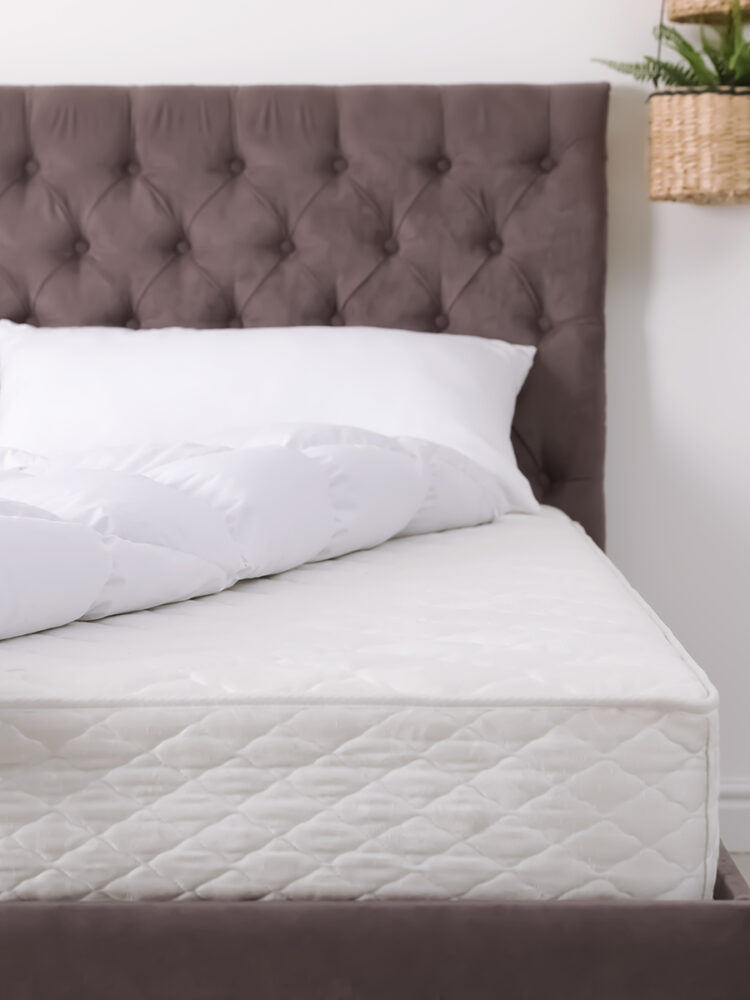
In order for these nocturnal processes to take place undisturbed, the body needs rest, both physically and hormonally. A sleep system that reduces pressure points, provides sensible support for the spine and minimizes nocturnal discomfort promotes deeper and more stable sleep. This deep sleep in particular is crucial for the release of regenerative hormones. A well-adjusted bed can improve the conditions for this, without making promises, but with a noticeable impact on the quality of sleep.
Classification instead of promises
Restful sleep is an important building block for regeneration and well-being, including for the skin. It does not replace care, a healthy lifestyle or genetic prerequisites. But it creates the basis for the body to be able to develop its natural renewal processes.
Conclusion
Beauty sleep is not a myth, but can be explained biologically. Hormones such as melatonin and somatropin have a regenerative effect during the night, provided that sleep is peaceful and restful. A good night’s sleep supports cell repair, strengthens the skin’s protective mechanisms and ensures a fresher appearance. A suitable sleep system creates important conditions for this and helps to ensure that the body can do what sleep is intended for at night.
FAQ – Frequently asked questions
What happens to my skin during sleep?
The body repairs damaged cells, regulates the moisture balance and activates antioxidant protection mechanisms. These processes support a more refreshed complexion in the morning.
Why is melatonin so important for the skin?
Melatonin protects skin cells from oxidative stress and supports their nocturnal renewal. It is one of the body’s most important natural protective hormones.
What role does deep sleep play?
During deep sleep, somatropin is released, a hormone that contributes significantly to cell repair and regeneration. Too little deep sleep weakens this effect.
Can my bed have an influence on the appearance of my skin?
Indirectly yes. A well-coordinated sleep system promotes peaceful, deep sleep. This is necessary so that nightly regeneration processes can run optimally.
Subscribe to the newsletter now
With our newsletter, you will receive regular tips for restful sleep, information on new products and exclusive promotions so that you wake up refreshed every morning.