Cold feet in bed
Which bed linen really ensures a balanced sleeping climate
Appointment for a sleep consultation
Cold feet when falling asleep are a familiar problem for many people. Despite a warm comforter, the feeling of cold persists, while the rest of the body quickly feels too warm. This is often dismissed as secondary or explained away as poor circulation.
Bed linen plays a central role in our perception of temperature at night. It influences how heat is distributed and whether the body finds the necessary balance to fall asleep relaxed. If you understand why your feet get cold, you can take targeted countermeasures and improve your sleeping environment.
Why cold feet disturb your sleep
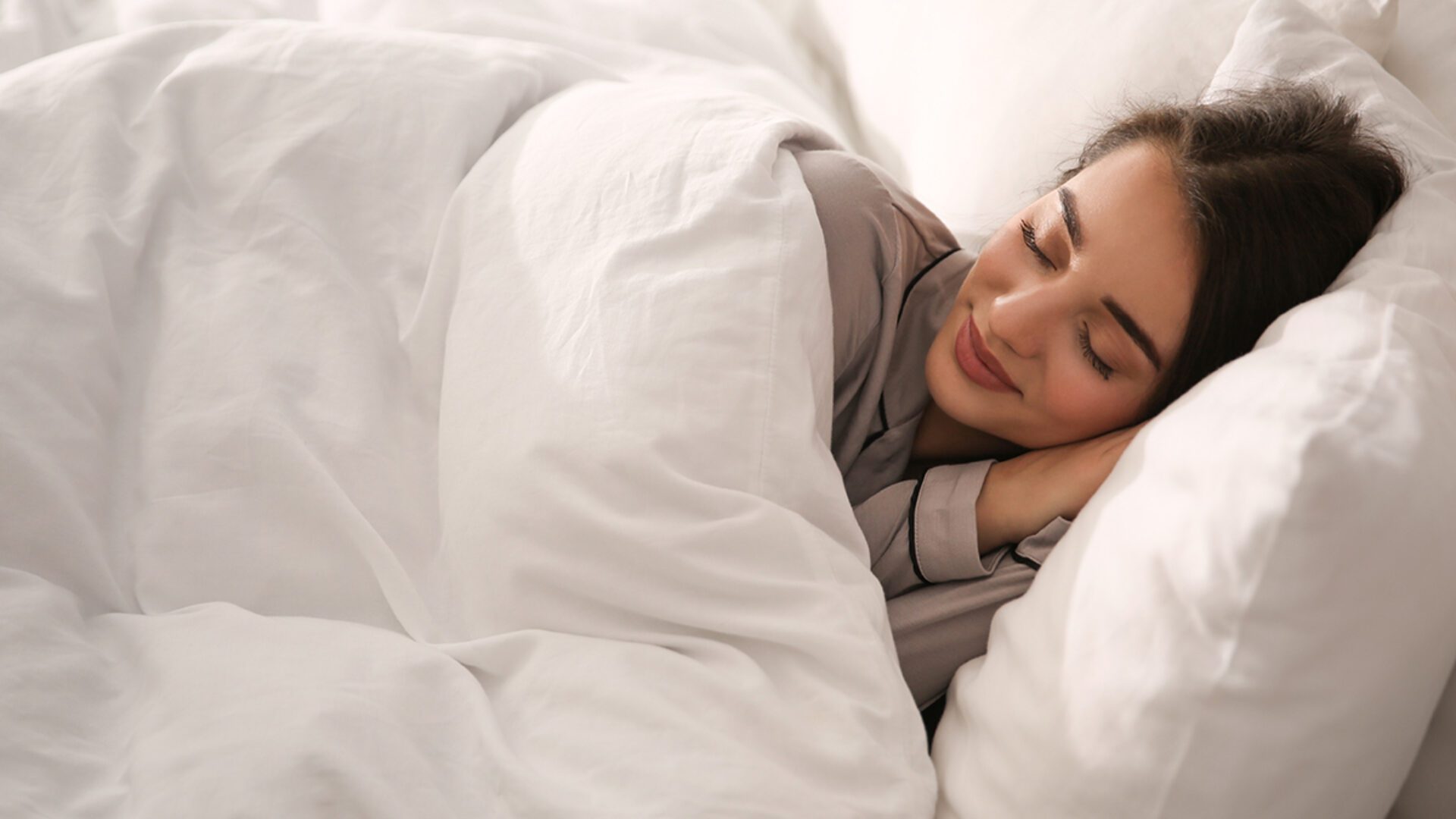
In order to fall asleep, the body needs to distribute heat evenly. Cold feet make this process more difficult. The blood vessels remain constricted, blood flow is reduced and relaxation is delayed. The body tries to compensate for this imbalance, which costs energy and prolongs the process of falling asleep. A stable, pleasant feeling of warmth, on the other hand, supports the natural process of falling asleep and ensures more peaceful nights.
Sleeping climate means more than just warm or cold
A good sleeping climate has little to do with maximum warmth. The balance between heat release and moisture regulation is crucial. During the night, the body continuously releases heat and regulates moisture through the skin. If this process is disturbed, the result is either a feeling of cold or a build-up of heat. Bed linen must support both processes so that a stable sleeping climate can develop in the bedroom .
What role bed linen really plays
Bed linen lies directly on the skin and has a greater influence on the microclimate than many people assume. The material, weave and ability to absorb moisture determine whether heat is distributed evenly or lost in certain areas. Particularly in sensitive areas such as the feet, it quickly becomes apparent whether bed linen supports or hinders temperature equalization. An unbalanced material can cause individual areas of the body to cool down, even though the rest of the body remains warm.
Materials and their effect
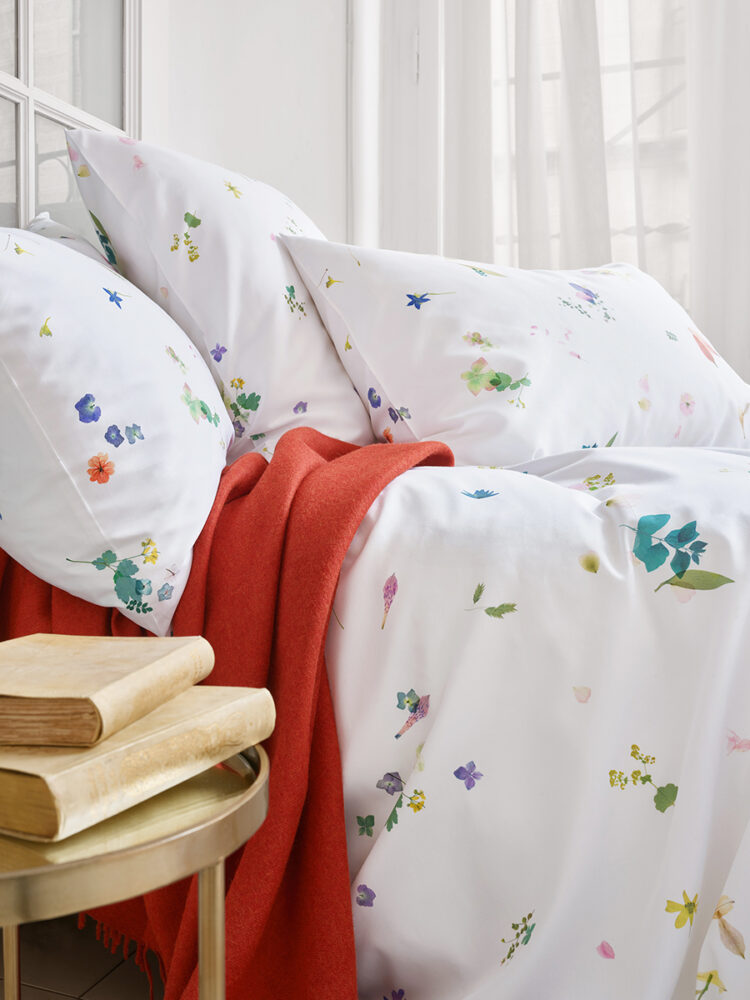
Different materials behave very differently in the sleeping climate. Natural materials such as cotton, linen or silk each regulate moisture in their own way. They can store or release heat and influence how dry the skin feels. Flannel stores heat particularly well and quickly gives a warm feeling. At the same time, it can lead to heat build-up if you need more warmth or perspire a lot. Percale and satin feel smoother and cooler and are suitable for people with balanced heat regulation, but can be perceived as too cool with cold feet.
Why warm feet don’t need thick bedding
A common misconception is that cold feet automatically require thick bedding. Although thick fabrics insulate well, they often prevent the necessary moisture exchange. If moisture remains on the skin, it cools down during the night and increases the feeling of cold. The decisive factor is therefore not the thickness of the material, but its ability to store heat and at the same time transfer moisture.
The influence of the season on temperature perception
In winter, the body reacts more sensitively to the cold, especially in the hands and feet. At the same time, the sleeping climate must not become too warm, otherwise the quality of sleep suffers. Adaptable bed linen helps to support this balancing act. It reacts to changing temperatures and ensures that warmth reaches where it is needed without overheating the body.
Bed linen in combination with comforter and room climate
Bed linen never acts as an insulator. It complements the comforter and reacts to room temperature and humidity. Only the interplay of all factors creates a stable and comfortable sleeping experience. Well-chosen bed linen cannot completely compensate for an unsuitable comforter, but it is a central component of a functioning sleep system.
Conclusion
Cold feet are rarely a sign of too little warmth, but often an expression of an unbalanced sleeping environment. The right bed linen helps to keep temperature and moisture in balance and supports a peaceful, restful sleep.
If you consciously design your sleeping environment, you can make it easier to fall asleep and significantly reduce night-time restlessness.
FAQ – Frequently asked questions
Which bed linen is suitable for constantly cold feet?
Materials with good moisture regulation and a slightly warming surface are particularly suitable.
Is flannel always the best solution in winter?
Not necessarily. Flannel can even make you feel colder if you sweat at night.
Does the weave type play a role?
Yes, it significantly influences air permeability, skin feel and heat retention.
Can bed linen really improve sleep?
Yes, it stabilizes the immediate sleeping climate and supports the body’s natural thermoregulation.
Subscribe to the newsletter now
With our newsletter, you will receive regular tips for restful sleep, information on new products and exclusive promotions so that you wake up refreshed every morning.