Gender sleep gap: Why women sleep worse and what helps
Why women experience sleep differently – and what can help.
Appointment for a sleep consultation
Many women are familiar with this situation: the day has been long, the body is tired, but you still can’t rest in bed. The mind keeps working. You wake up at night, suddenly start sweating, lie uncomfortably or are not properly rested in the morning.
Poor sleep is often seen as a personal problem. However, women show many similar patterns. Sleep doesn’t just depend on how long you lie in bed. It is also influenced by what happens in the body, how much responsibility is carried in everyday life and whether the sleeping environment is really suitable.
This is precisely where the gender sleep gap comes in. It means that women experience sleep more often as lighter, more restless or less restful.
A bed check helps you to check these points before you make a major investment.
What does gender sleep gap mean?
The gender sleep gap describes differences in sleep quality between women and men. This is not just about who sleeps longer, but above all how restful their sleep is.
Many women experience their sleep as lighter, more restless or more interrupted. This can be related to hormones, phases of life, mental stress, health or the sleeping environment. There is often not just one issue alone, but several things acting simultaneously.
That’s why it rarely helps to immediately look for a solution. It makes more sense to first recognize what disturbs your sleep the most.
Why women often experience sleep differently
Sleep reacts sensitively to changes. In women, physical, mental and everyday stresses can overlap particularly strongly.
Hormonal changes play an important role in this. Your menstrual cycle, pregnancy, breastfeeding or menopause can influence how deeply you sleep, how warm you get at night or how often you wake up.
Changes in health can also disrupt sleep. Pain, inner restlessness, temperature problems or exhaustion are often more noticeable at night than during the day.
Then there is the mental strain. Many women carry a lot in their everyday lives: Family, work, organization, appointments, responsibility. In bed, the body is finally calm, but the mind keeps going.
Self-check: What disturbs my sleep?
Before you change anything, it’s worth taking an honest look at your nights. Not as an evaluation, but to recognize patterns.
Which statements suit you?
I often wake up because I’m too hot or too cold.
- I wake up with tension, a feeling of pressure or pain.
- I find it hard to switch off.
- I wake up early and immediately start thinking.
- I am disturbed by partners, movements or different sleep rhythms.
- I sleep noticeably better in a different bed.
- My sleep has changed since a physical change.
If several points point in the same direction, you have an initial indication. Then it is worth starting there instead of changing everything at the same time.
Stress, hormones, everyday life or bed?
It is often not immediately clear what influences sleep the most. It is therefore worth differentiating between the signals.
If your head won’t switch off, your thoughts are spinning or you wake up very early, inner tension often plays a role.
When heat, sweating, cold or sudden awakening are added to the mix, the body can become more involved. This happens, for example, during hormonal change phases or health changes.
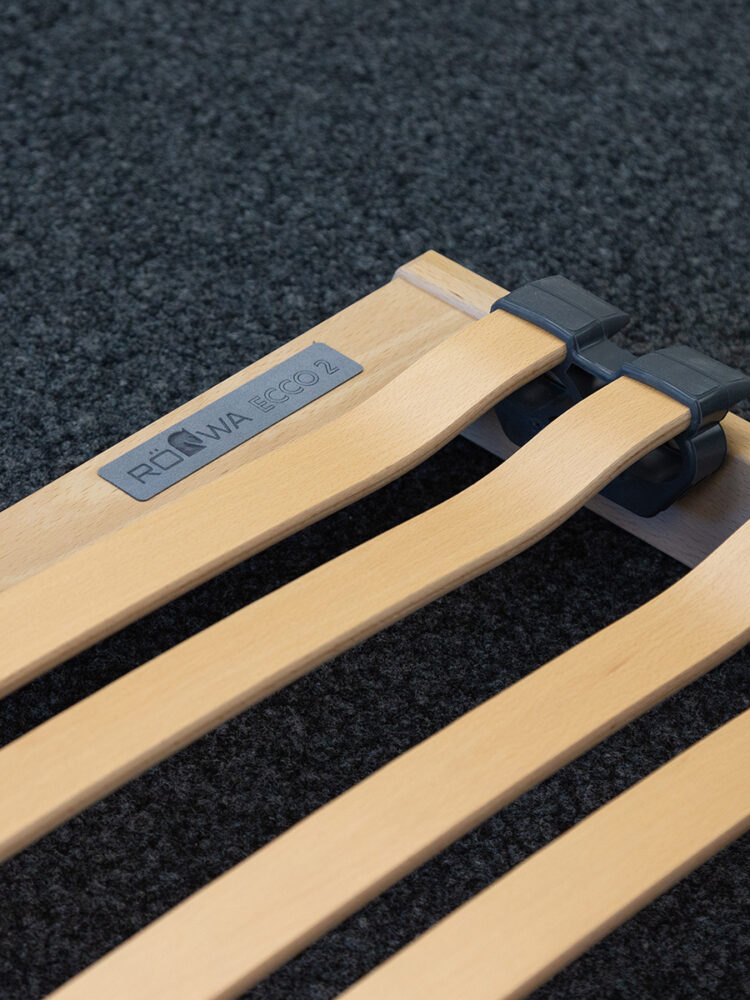
If you wake up with pressure points, tension or a restless feeling when lying down, it is worth taking a look at the mattress, pillow, slat base or bed climate.
Several areas often work together. This is precisely why it helps to observe your own patterns over several nights.
What role the sleep system can play
The bed is rarely the only reason for poor sleep. However, it can contribute to whether the body is able to rest at night or has to react again and again.
A suitable sleep system can relieve the body, reduce pressure and help you to lie more comfortably. If it no longer fits, it is often not immediately obvious. It is more likely to show through recurring signs.
Typical indications are
- Pressure on the shoulder, pelvis or back
- Frequent turning and repositioning
- Tension in the morning
- a lying sensation that does not appear stable
- Heat problems in bed
- Significantly better sleep in another bed
This is not about buying a new mattress straight away. It is often worth checking first whether the pillow, slat base, mattress and bed climate still fit together.
In a sleep consultation, you can take a closer look at how your body lies in bed, where pressure arises and whether the sleep system provides relief or additional discomfort. A lying analysis or a spine scan can help you to make decisions based on more than just gut feeling.
It remains important: A good sleep system can provide support, but it is no substitute for a medical examination.
How to proceed sensibly
Don’t change everything at once. If you adjust your pillow, mattress, evening routine, room temperature and sleeping times at the same time, you will hardly know in the end what has really helped.
It is better to take one step at a time.
Observe over several nights:
- When do I wake up?
- What do I feel in my body?
- Am I mentally awake or physically restless?
- Am I too warm or too cold?
- Do I have pressure points or tension?
- Do I sleep better elsewhere?
This gives you a clearer picture. You can then decide whether everyday life, health, bed climate or sleeping system is more important.
When medical advice makes sense
If sleep problems persist for a long time, change significantly or become more severe, medical advice should be sought.
This applies in particular to severe daytime tiredness, pain, breathing problems, palpitations, heavy sweating, mental stress or if sleep is suddenly very different from what it used to be.
Especially in the case of hormonal or health changes, it is important not to blame everything on stress or the bed. Sometimes a medical check-up is needed before other areas can be addressed.
FAQ – Frequently asked questions
What does gender sleep gap mean?
The gender sleep gap describes differences in sleep quality between women and men. This primarily refers to how restful, calm and stable sleep is experienced.
Why do women often sleep worse?
In women, several things often have an effect at the same time: hormonal changes, mental stress, phases of life, physical complaints, heat sensation and sleeping environment.
What role do hormones play in sleep?
Hormones can influence how deeply you sleep, how warm you get at night and how often you wake up. Sleep can change, especially around the menstrual cycle, pregnancy, breastfeeding or the menopause.
Can the bed make sleep worse?
Yes, it can also disturb your sleep. For example, pressure points, tension, heat problems or a lying position that does not allow the body to rest properly.
How can I tell whether stress or my bed is playing a role?
Stress often manifests itself through thoughts, problems falling asleep or early awakenings. The bed is more noticeable when pressure, tension, frequent repositioning or heat in bed are added. Both areas often work together.
When should I have sleep problems checked?
If sleep problems persist for weeks, change significantly or are associated with severe tiredness, pain, breathing problems, palpitations or psychological stress.
Subscribe to the newsletter now
With our newsletter, you will receive regular tips for restful sleep, information on new products and exclusive promotions so that you wake up refreshed every morning.