Lack of sleep also affects your job
Every third person sleeps badly!

Appointment for a sleep consultation
Many people sleep badly without knowing exactly why. Thoughts are racing, everyday life is demanding and sleep becomes lighter and less restful. Stress is often assumed to be the cause. The fact that the sleeping environment can also play a role often goes unnoticed.
Moreover, a lack of sleep does not stay in the bedroom. It has a noticeable impact on your job, concentration, mood, resilience and susceptibility to errors. And it is not a marginal issue: around one in three people in Switzerland sleep poorly, and around a quarter of adults do not get the seven hours of sleep recommended by experts.
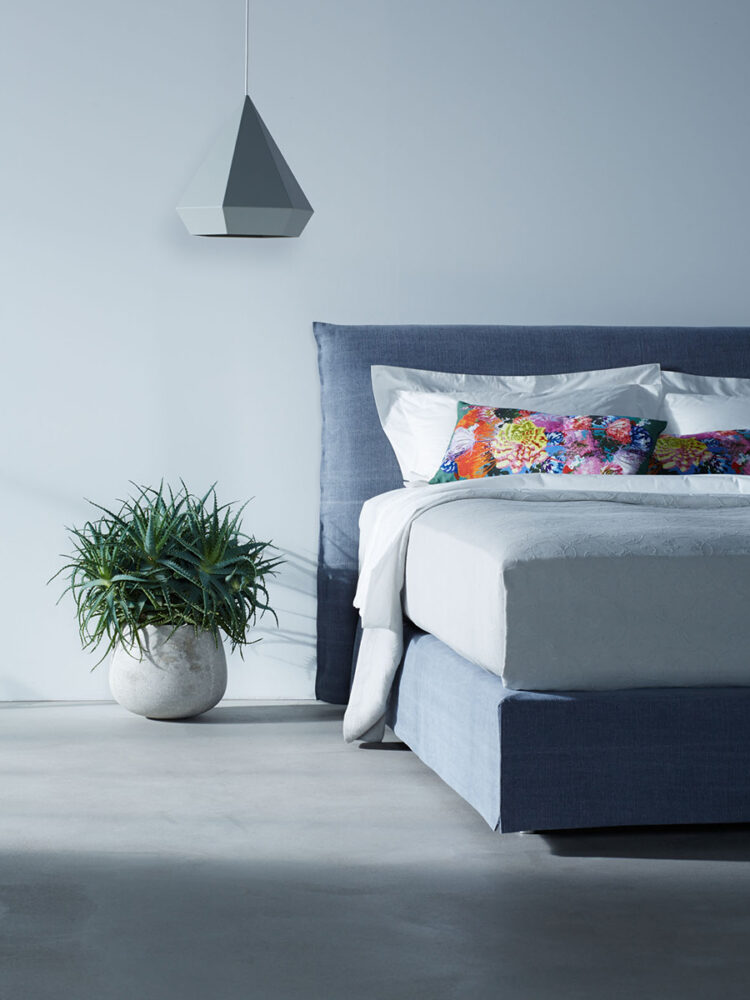
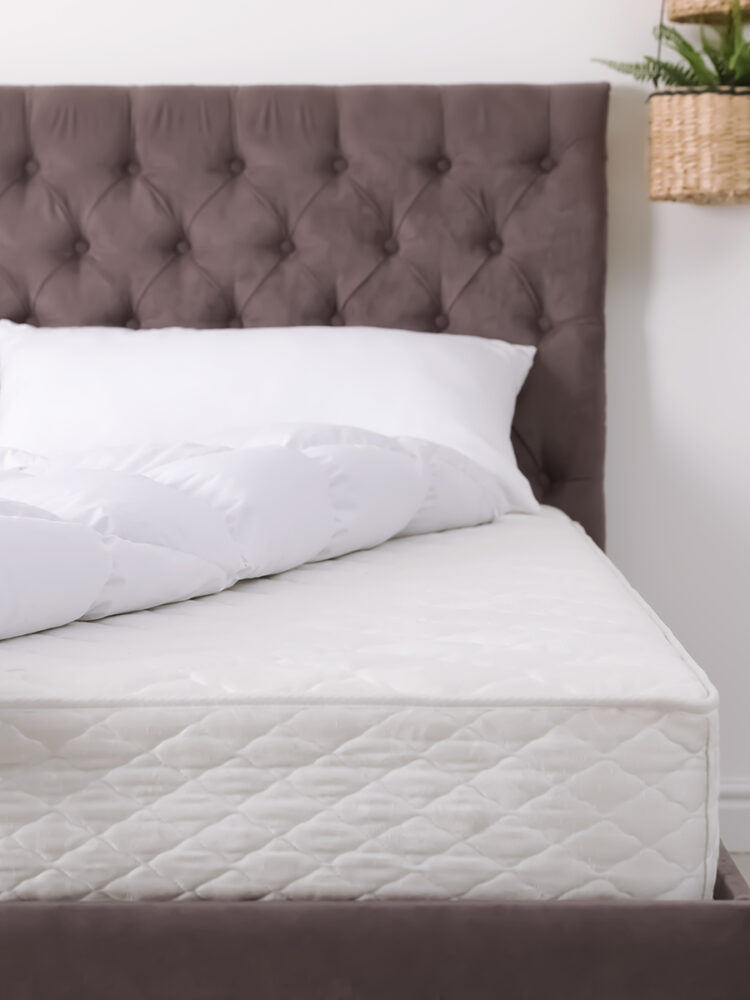
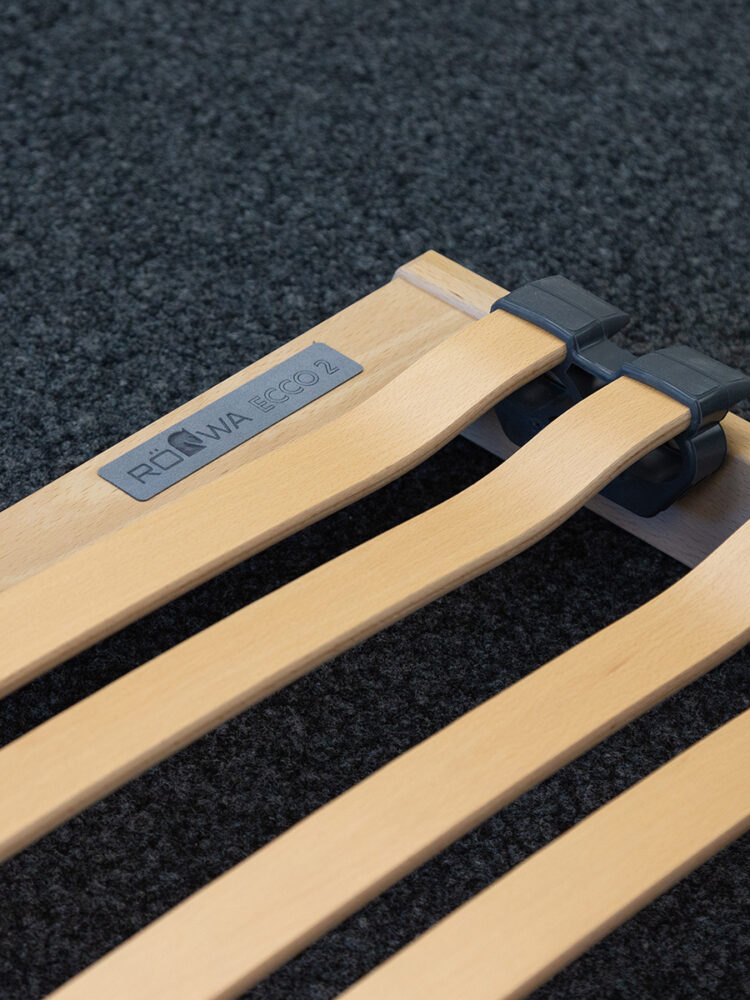
The bed, consisting of mattress, slatted frame or slat base and bed frame, accompanies us for many hours every night. This article helps to better classify sleep disorders and shows why this interaction can be a silent but relevant influencing factor.
Lack of sleep also affects your job
People who sleep too little or too lightly over a long period of time often notice this first in their everyday working life. Typical consequences are
-
Less concentration, tasks take longer
-
More errors, less certainty in decision-making
-
Greater risk of accidents because reaction and alertness decrease
-
More irritability, smaller triggers have a stronger effect
-
Less resilience, stress feels overwhelming more quickly
If you want to sober up your sleep first, a brief assessment using the self-check can help
One in three people sleep badly, particularly affected by shift work and irregular hours
The proportion of poor sleepers is above average among employees with irregular working hours or shift work. Around 40 percent of these so-called flex workers complain of poor sleep quality, and around half of them sleep no more than five hours.
This is not only unpleasant, but also stressful in the long term. If you don’t get enough regular, deep sleep, the risk of physical and psychological complaints increases. At the same time, performance decreases in everyday life and the error rate and risk of accidents increase at work.
Sleep disorders are more than just a question of the head
Sleep disorders rarely arise for a single reason. In addition to psychological stress, physical and environmental factors also play an important role. It is particularly worth taking a closer look at the sleeping environment if sleep problems persist over a longer period of time.
What is compensated for by movement during the day becomes more apparent at night. The mattress and slat base have a constant effect on the body. How sensitively the body reacts to this depends, among other things, on how the spine changes when lying down and whether it is evenly supported.
The bed as a daily, underestimated companion
The bed accompanies us night after night, often without us paying much attention to it. Inappropriate support usually goes unnoticed in everyday life, as the body compensates through posture and activity.
These compensatory movements are missing during sleep. The way the mattress and slatted frame support the body becomes more noticeable. Pressure points or a lack of support can lead to the body not being able to fully rest. This does not have to be immediately noticeable as pain; it often first manifests itself as restless sleep, frequent tossing and turning or not really waking up feeling refreshed.
Typical signs that the bed could be involved
Not every sleep disorder is related to the bed. However, certain signs may indicate that the sleeping environment plays a role:
-
Restless sleep despite tiredness
-
Frequent waking up for no apparent reason
-
the feeling of not being able to find a really relaxed position at night
-
Tension in the neck or back in the morning
-
Increasing back pain, although “nothing has actually changed”
If you are more confused than helped by statements such as “degree of hardness”, “zones” or “gut feeling”, it is worth doing a quick fact check on myths.
Falling asleep or sleeping through the night, an important difference
Problems falling asleep often have mental causes, such as stress or brooding. Problems sleeping through the night, on the other hand, are more often associated with physical restlessness.
If the lying surface does not provide even support or the position constantly changes during the night, the body remains active. The mattress and slat base play a silent but relevant role here. The decisive factor is often whether the bedding suits the sleeping position and whether pressure relief and support are in balance.
The interaction in the sleep system
A good night’s sleep is rarely the result of a single element. The mattress, slat base and bed frame work together and influence how the body is positioned. Small deviations can be enough to keep the muscles active at night.
The nervous system reacts sensitively to such stimuli, even if they are not consciously perceived. And if the body doesn’t really get into its depth at night, exactly what is needed at work is missing during the day: Stability, focus and relaxation.
Why problems intensify at night
When lying down, the body is particularly susceptible to pressure and misalignments. These act evenly for hours and cannot be compensated for by movement.
If there is a lack of support or relief, sleep becomes lighter and less restful. Frequent changes of position are then a natural reaction of the body to relieve itself in the short term.
Why blanket solutions rarely help
Recommendations on firmness levels, standard mattresses or universal settings often fall short. Physique, sleeping position and sensitivity are individual.
What works for others does not necessarily fit. Orientation is helpful, but is no substitute for personal classification.
Orientation instead of self-diagnosis
Instead of guessing causes, it helps to quietly observe your own sleep behavior. Changes over several weeks often provide more information than individual nights.
If you notice that a lack of sleep is clearly affecting your everyday working life, it is worth taking a structured look. Sometimes stress is the main factor. Sometimes the sleeping environment plays a bigger role than you think. Understanding creates security and relieves stress.
Our sleep experts will be happy to advise you on all aspects of this topic and give you tips on how you can improve your sleeping environment and your sleeping behavior in a meaningful way.
Conclusion
Sleep disorders usually have several causes. The bed is rarely the sole trigger, but is often part of the overall picture. A lack of sleep also has an impact on work, concentration, mood and resilience.
If you consider the interaction between your sleeping environment and your body, you will create an important basis for more peaceful, restful sleep and therefore also for more stability in everyday life.
FAQ – Frequently asked questions
How can I tell if sleep deprivation is affecting my job?
When concentration, patience and energy decrease noticeably over weeks and mistakes increase.
Can the bed disturb sleep, even without severe pain?
Yes, it often first manifests itself as restlessness, frequent turning and waking up “unrefreshed”.
What is more important, mattress or slatted frame?
The coordination. Mattress relieves, slat base supports, only together does it fit.
If stress is the main factor, is it still worth taking a look at the bed?
Often yes. A suitable sleep system helps the body to rest more easily at night.
Subscribe to the newsletter now
With our newsletter, you will receive regular tips for restful sleep, information on new products and exclusive promotions so that you wake up refreshed every morning.