Why am I tired despite sleeping?
Tiredness despite sufficient sleep when there is no rest
Appointment for a sleep consultation
Many people sleep for seven to eight hours and still wake up exhausted. The thought quickly arises: I’ve slept enough, why do I still feel tired?
The central question is: Why am I tired despite sleeping? Sleep duration is often equated with sleep quality. But recovery does not automatically come from time in bed. The decisive factor is how your body gets through the night and whether the important regeneration phases really take place.
If you want to assess your sleep realistically first, this short self-check will help you get started.
Sleep duration does not equal sleep quality
You can lie in bed for eight hours and still not get enough restful sleep. The difference lies between quantity and quality.
- Deep sleep is particularly important for physical regeneration. During this phase, the pulse and metabolism drop, tissue is repaired and the nervous system comes to rest.
- REM sleep is central for processing, memory and emotional stabilization.
What many people don’t realize is that sleep can be interrupted without you remembering waking phases in the morning. Brief waking moments, so-called micro-awakenings, are already enough to chop up deep sleep and REM phases. The result is often this typical feeling: I slept, but I didn’t really sleep through the night.
What should actually happen in the body at night
During a restful night, several processes run in parallel:
- Regeneration of muscles and tissuethe body repairs what has been stressed during the day
- Hormonal regulationfor example in the interaction of melatonin, growth hormone and stress hormones
- Processing stress and impressionsthe brain sorts, evaluates, stores
- Lowering of pulse and metabolismthe entire organism switches to an economy and repair mode
If these processes are disrupted, recovery remains incomplete. Then you don’t feel like new in the morning, but rather like you’ve “run on”.
Possible causes of tiredness despite sleep
1. restless or fragmented sleep
A common reason is sleep that seems long but is restless inside.
Typical indications are
- You often turn without consciously realizing it
- You have the feeling of never really being “away”
- You wake up briefly, but don’t remember it
This can be caused by stress, but also by physical factors, for example if your body is constantly searching for a better position at night.
2. lack of ergonomic support
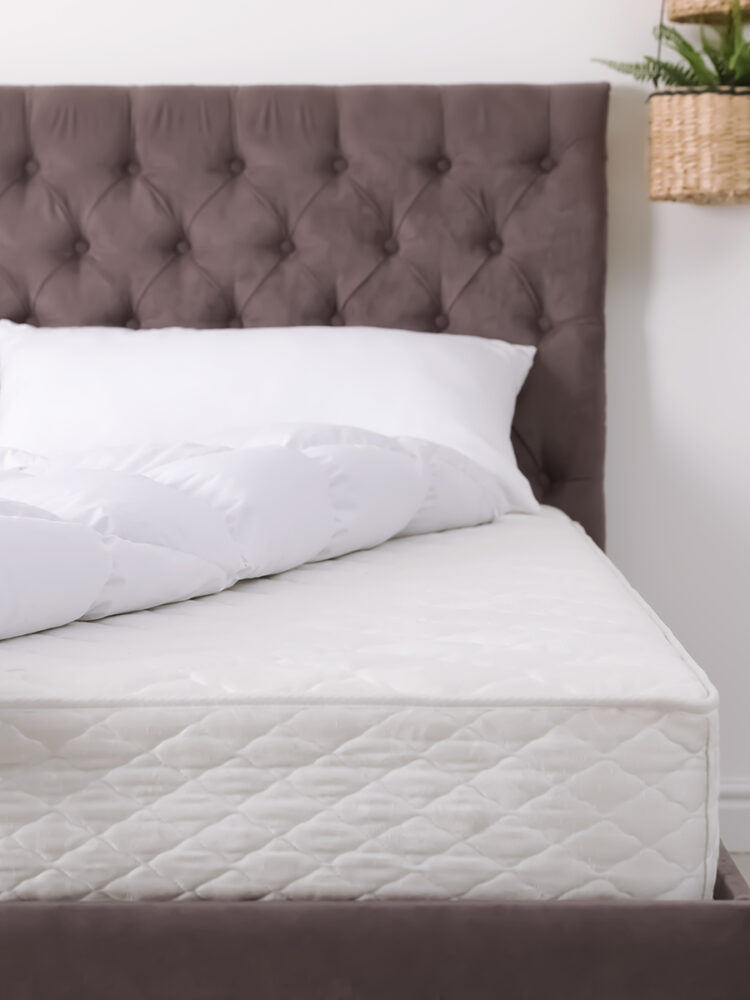
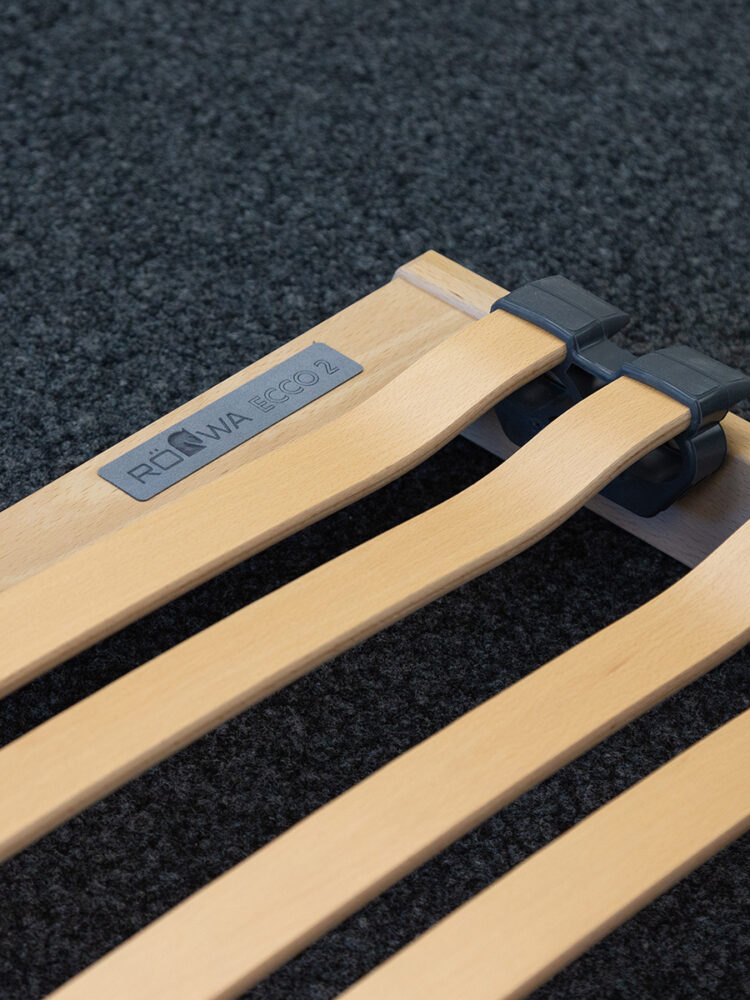
If the mattress, slat base and pillow do not suit you, the muscles often remain in a state of readiness. The body then tries to stabilize itself. This costs rest.
Possible consequences:
- Tense shoulders or a tired neck in the morning
- Pressure points on the hip or shoulder
- Back that feels “stiff”
- Frequent changes of position because no position remains comfortable for long
Ergonomics here does not mean “hard” or “soft”, but rather the right position. Your spine should lie as close to its natural position as possible on your side and back so that your muscles can let go.
3. stress and inner tension
Inner tension is one of the biggest sleep robbers, especially when you are “actually tired”. The nervous system remains in alarm mode, even when you fall asleep.
Typical are:
- Thoughts revolve even though the day is over
- They fall asleep, but wake up early and too awake again
- You find it difficult to get into deep sleep phases
A clear classification often helps here: not everything that makes you tired is a sleep problem. Sometimes it’s a regeneration problem because the body can’t really switch off at night.
4. temperature or climate problems
The bedroom climate has a strong influence on sleep quality and is often underestimated. If you are cold or sweaty at night, your sleep will be lighter and your body will react with restlessness.
If you suspect a connection here, the article on freezing and sweating often helps to better classify the causes.
Typical triggers are
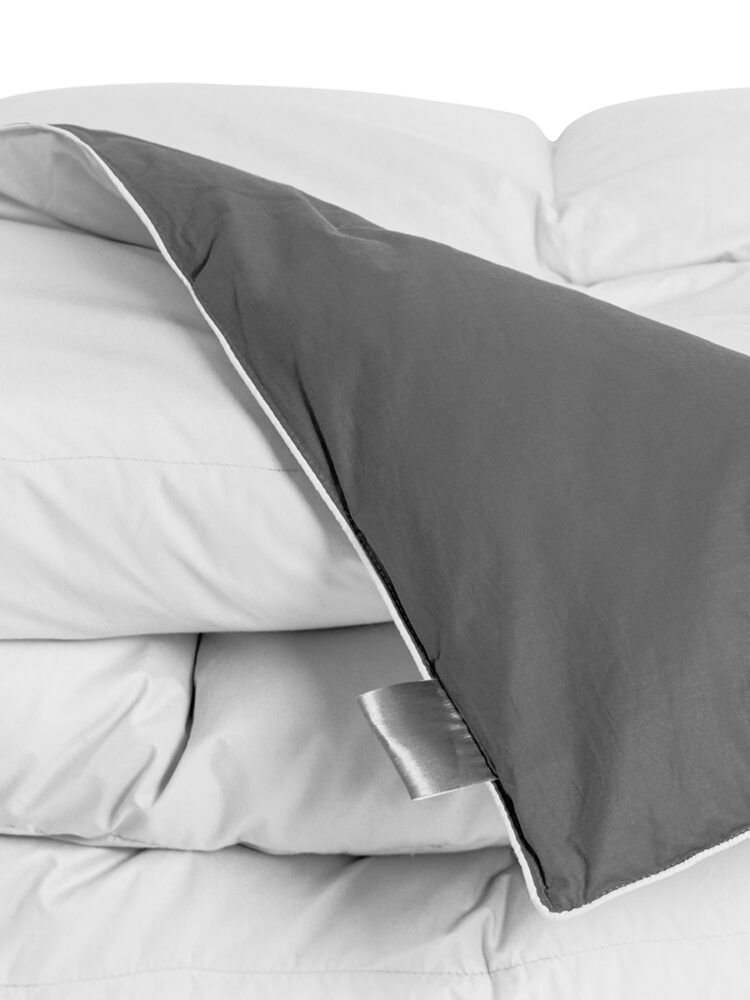
- Blanket too warm or unsuitable comforter material
- Heat build-up due to less breathable bedding
- Fluctuating room temperature
- Wrong combination of pyjamas, blanket and mattress cover
Important: It’s not about “perfect” temperature, but about keeping your body at a constant temperature without constantly readjusting it.
5. phase of life and hormonal changes
Sleep changes over the course of a lifetime. From the age of 40, many people notice that they become more sensitive, react more quickly to stress and sleep less “through the night” than before.
Frequent topics are:
- Changes in the hormone balance, for example during the menopause
- Easier sleep, faster waking up
- Different sleep rhythm, earlier awakening
The role of the sleep system
The sleep system determines whether your body can let go at night. It influences:
- how well your muscles can relax
- whether pressure on the shoulder and hip is relieved
- whether your spine is stable but not “held” in place
- how much you need to move at night to lie comfortably
An important point: movement at night is normal. However, if you turn very frequently, this may be a sign that your body is constantly looking for better support.
Self-observation and checklist, how to find clues
These questions will help you to assess your situation:
- Do you wake up tense?
- Do you turn frequently?
- Do you feel physically or mentally exhausted?
- Does your condition improve on vacation or days off?
And here is a short checklist of what you can check specifically:
- Age of your mattress
- Indoor climate
- Evening habits
- Stress level
- Regularity of the sleep rhythm
If you notice when reading that several points fit, this is normal. Tiredness despite sleep rarely has just one cause.
Conclusion
If you ask yourself: Why am I tired despite sleeping, you shouldn’t just look at the duration of sleep. Recovery comes from quality, not hours. There are often several small factors that work together: stress, climate, phase of life and the question of whether your body is really well rested at night.
A structured analysis creates clarity instead of uncertainty. You don’t have to guess, but can find out step by step what is currently slowing down your sleep.
FAQ – Frequently asked questions
Why am I tired despite 8 hours of sleep?
Because sleep is not just about duration. If deep sleep and REM phases are interrupted too little or too often, regeneration is lacking, even with long sleep times.
Can the mattress cause fatigue?
Indirectly yes. If the support is not right, the body remains in motion or tension. This can disrupt sleep phases and lead to tired muscles or a “not rested” feeling in the morning.
Is constant tiredness always a warning sign?
Not always, but it is an indication that something is not right in your sleep, stress levels or everyday life. If fatigue persists for weeks, it is worthwhile to have it assessed.
When should I seek medical advice?
If you experience severe daytime tiredness, microsleep, interrupted breathing, loud snoring, palpitations at night or persistent exhaustion. Even if you do not notice any improvement despite good sleep hygiene, a medical check-up is advisable.
How do I know if my sleep is really restful?
If you start relatively stable in the morning, have fewer dips during the day and your body does not feel “used up”. A structured self-assessment helps in case of uncertainty.
Subscribe to the newsletter now
With our newsletter, you will receive regular tips for restful sleep, information on new products and exclusive promotions so that you wake up refreshed every morning.