Why the body first has to adjust after a new bed
New base, new stimuli

Appointment for a sleep consultation
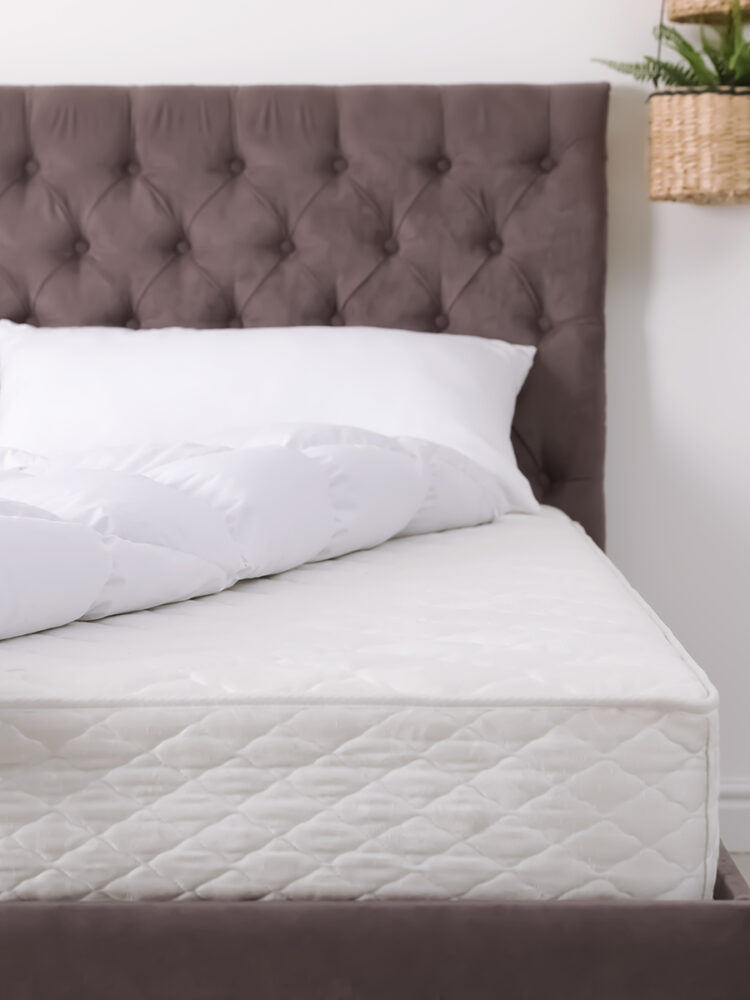
A new bed should feel “right” straight away. In reality, it is often different: the first few nights can be unfamiliar, even though the system basically fits. This is not a contradiction, but often an adjustment phase.
The key question is therefore: Why does the body have to adjust after a new bed – and how can you recognize real warning signals? If you have already gone round in circles with “hard or soft, feels strange, is that wrong”, you might be interestedin our article on the topic of sleep myths in the fact check
Briefly explained
A new bed usually changes the support, pressure distribution and bed climate at the same time. The body registers these new stimuli and reorganizes itself. The decisive factor is not so much how the first night feels, but whether the lying sensation develops. The first levers are often pillows and adjustments to the slat base. If discomfort is new, severe or persistent, it should be clarified medically.
Conversion does not automatically mean that it does not fit
Your old bed was your “normal” for a long time. Even if it wasn’t ideal, your body adapted to it. With the new system, several factors change at once. The nervous system perceives these differences – even without consciously waking up.
This is why the start can look different: sometimes you sleep more deeply, sometimes you are more restless, sometimes you feel muscles that were previously “still”. It often takes a few nights to see whether things are settling down. The important thing is the direction: will it become more stable with small adjustments – or rather worse?
What happens in the body with a new sleeping pad
- Muscles: If you are supported differently, the body has to compensate less or hold differently. This can initially feel like tension or slight muscle soreness.
- Nervous system: pressure, sinking in and suspension are re-evaluated. This can make sleep temporarily lighter or more restless.
- Movement patterns: Many people turn out of habit. These movements often only adapt with a new base.
- Sleeping position: Some people automatically lie in a slightly different position, for example more stable on their side or more often on their back.
- Climate: The feeling of warmth and humidity can change – and with it the nightly rest.
Common reasons why a new bed seems strange at first
- Different pressure distribution than usual: shoulders and hips sink in differently. What seems strange can be relieving later on.
- The spine is guided differently: If the old system was worn out, unfavorable positioning had become normal. Lying more neutrally can feel unfamiliar at first. If you want to understand this better: This is how your spine changes when lying down.
- Pillow and mattress do not yet fit together: A new lying level changes the head and neck angle. A previously suitable pillow may suddenly be too high or too flat.
- The spring base or settings are not yet finely adjusted: Too firm or too soft changes support and ease of movement. Small adjustments often have a big effect.
- Expectations: Immediate perfection: Those who expect perfection register every deviation more strongly. It is more helpful to observe, structure and make targeted adjustments.
- The same solution does not automatically feel the same for couples: Weight, shoulder width and sleeping position react differently. What is right for one person sometimes needs fine-tuning for the other.
Changeover or warning signal
Rather changeover
- Different lying sensation without getting worse from night to night
- Mild muscular reactions that subside after a few nights
- Restlessness that improves with pillows or setting adjustment
Rather a hint to take a closer look
- Newly occurring, severe complaints
- Clear, persistent pressure marks
- Significantly poorer recovery over a longer period of time despite adjustments
- Symptoms that make you feel insecure
If symptoms are severe, new or persistent, medical advice should be sought. A sleep system can provide support, but cannot replace a diagnosis.
The 3 most common starting errors
- Judge too early: The first few nights often say little.
- Keep the old pillow: This is often the quickest lever, especially for neck and shoulder issues.
- Constantly changing things: If you are constantly changing settings, it is difficult to recognize what actually helps.
How to make the changeover easier without pressure
- Test consistently: Do not change every other day, but give it for several nights in a row.
- Check the pillow: This is often the quickest lever if your neck or shoulder reacts.
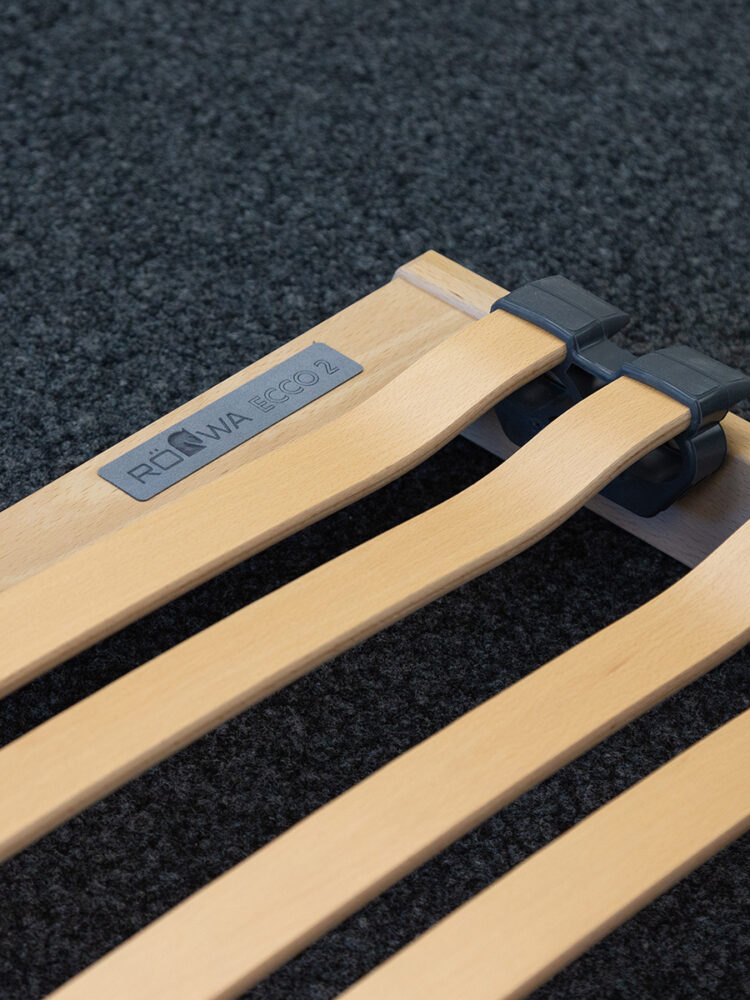
- Fine-tune the slat base: Small changes in firmness or zones can be felt immediately.
- Keep the climate stable: Keep the room temperature, blanket and cover as constant as possible. If you recognize a pattern here, please read on: Why you freeze or sweat at night.
- Keep a short log: Three keywords in the morning are enough, for example pressure, tension, recovery.
Objectifying instead of guessing
Especially during the adjustment phase, the feeling is sometimes contradictory. An ergonomic lying analysis can make it clear whether the spine is positioned neutrally, where pressure occurs and which component is the biggest lever: pillow, mattress or spring base. This reduces the fear of making the wrong purchase and makes adjustments easier to understand.
The spine scan or spine scanner helps to assess the lying position more objectively. It helps to better classify positioning and fit. It is not a diagnosis and does not replace a medical examination.
Conclusion
A new bed changes the support, pressure and climate – the body has to adjust to this first. Changes are often normal and do not automatically mean that something is wrong. The key is to observe, make targeted readjustments and clarify any warning signs. Often the best next step is not to give back immediately, but to objectify and fine-tune.
FAQ – Frequently asked questions
How long does it take to adapt to a new bed
That is individual. More important than a fixed period is the development: if it becomes more stable from night to night or at least does not get worse, this is a good sign.
Can a new bed make more tension at first, even though it fits better
Yes, this can happen if the body is guided differently or has to compensate less. If the tension is severe or lasts longer, please have it checked out.
Why is the choice of bed so important for sleeping as a couple?
The right bed not only affects your sleeping comfort, but also your health. The wrong mattress can lead to back pain or sleep disorders. A well-chosen bed ensures better sleep, less movement transfer and a more restful night.
When should I have it readjusted
If pressure sores remain, the recovery does not improve over several nights or you are not sure which setting really helps.
How do I recognize that the bed really doesn’t fit
If it gets permanently worse despite sensible adjustments or if new complaints clearly arise. Then it is worth having a thorough check and, if necessary, a clarification.
What is a common initial mistake when switching to a new bed
Changing everything at the same time. Step by step is better, so that cause and effect remain recognizable.
Subscribe to the newsletter now
With our newsletter, you will receive regular tips for restful sleep, information on new products and exclusive promotions so that you wake up refreshed every morning.