Why stress does not change sleep immediately, but gradually
When the body rests but does not switch off properly.

Appointment for a sleep consultation
How prolonged stress affects nocturnal recovery unnoticed
Stress is often only associated with sleep problems when falling asleep or sleeping through the night is already significantly impaired. However, stress does not usually change sleep abruptly, but gradually. Initial changes often go unnoticed, while the quality of sleep and physical recovery slowly deteriorate.
Why stress is not immediately apparent as a sleep problem
The body can often still compensate for short-term stress. Sleep initially appears stable, although the nervous system is already more activated. Changes only become apparent with prolonged stress, as relaxation and regeneration are increasingly restricted at night.
The creeping influence on the sleep rhythm
Stress affects internal processes such as hormone balance and the nervous system. Sleep onset times shift, sleep becomes more superficial and night-time interruptions increase. These changes develop slowly and are often only noticed late, partly because many sleep myths make it difficult to see the actual causes.
When the body no longer switches off properly at night
Even without conscious rumination, the body remains on high alert when stressed. Muscle tension, inner restlessness and increased basic activity prevent deeper sleep phases, even though outwardly calm prevails. Night-time recovery remains incomplete.
Typical early signs of stress-induced sleep
-Sleep feels less restful.
-Tiredness in the morning despite sufficient sleep.
-Frequent waking without a clear external trigger.
A feeling of inner tension when falling asleep or during the night.
Why poor sleep further increases stress
Sleep and stress influence each other. If sleep becomes more superficial, physical and mental resilience decreases during the day. Stimuli are perceived more intensely, susceptibility to stress increases and the circulation increases – which can also put a strain on the immune system in the long term.
The role of the sleeping environment and night-time relief
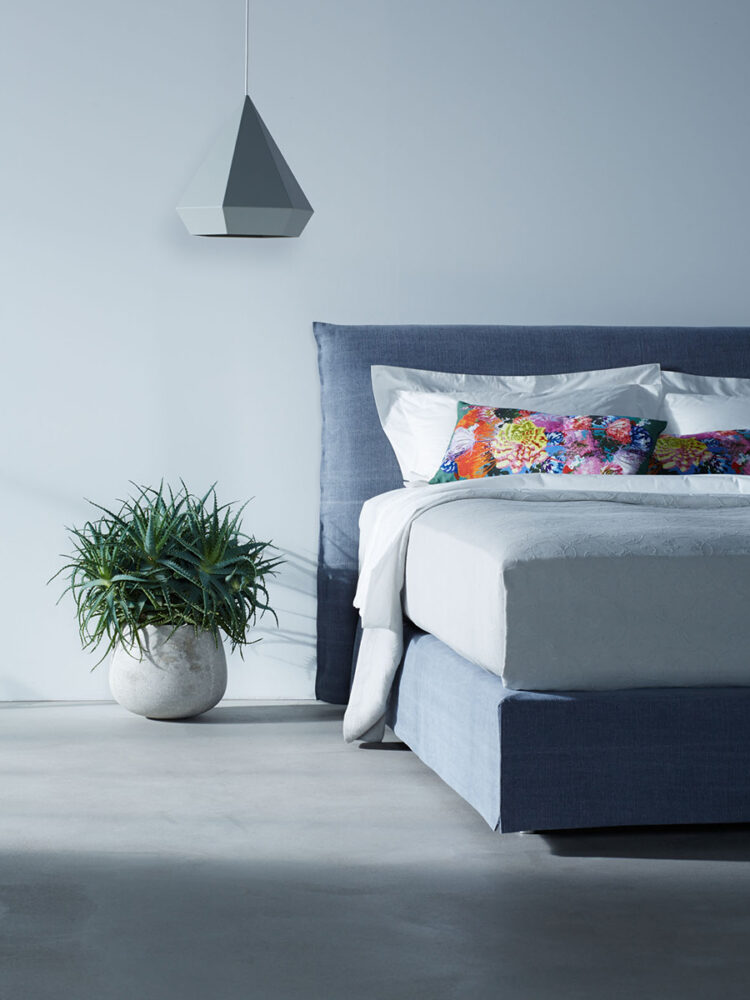
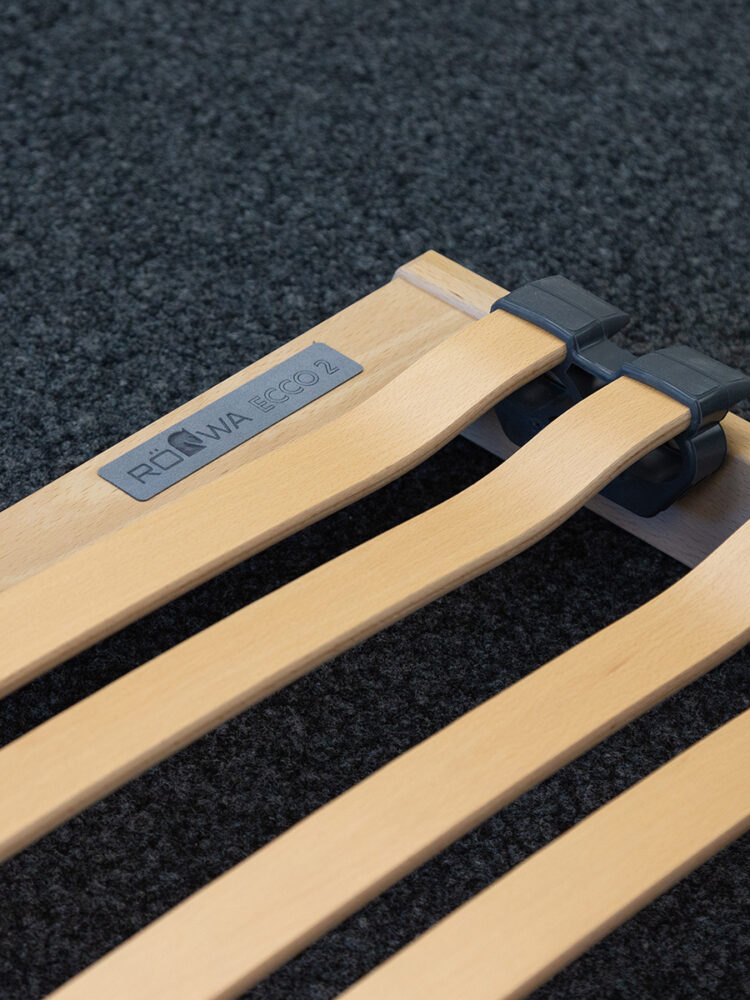
A supportive sleeping environment can help the body to rest better despite stress. A suitable sleeping surface, a balanced sleeping environment and quiet routines in the evening support relaxation at night and promote deeper sleep phases.
Conclusion
Stress rarely changes sleep suddenly, but usually gradually over a longer period of time. If you recognize early signs and consciously design your sleep environment, you can stabilize your nightly recovery and prevent long-term sleep problems.
FAQ – Frequently asked questions
Can stress affect my sleep, even if I feel productive during the day?
Yes, the body can compensate for stress over a longer period of time before sleep problems become apparent.
Why is sleep often easier under stress, even without brooding?
Because the nervous system remains highly active and the body does not switch completely to rest mode.
Can a good sleeping environment help us to cope better with stress?
Yes, a suitable sleeping pad and a balanced sleeping climate support nightly regeneration.
When should I react to gradual changes in sleep?
As soon as your sleep feels less restful over several weeks, it is worth taking a conscious decision.
Subscribe to the newsletter now
With our newsletter, you will receive regular tips for restful sleep, information on new products and exclusive promotions so that you wake up refreshed every morning.