Duvet Fillings Compared: Which One Suits Your Sleep Climate?
Why the right duvet filling does not depend on the material alone.
Termin für eine Schlafberatung
You often notice a good duvet by the fact that you barely think about it. It keeps you comfortably warm, feels right and suits the way you sleep. Not too warm, not too cool, not too heavy and not so restless that you keep adjusting it during the night.
Many comparisons start with the material: down, wool, silk, synthetic fibres or lyocell. That is understandable. But the deciding factor is not only what a duvet is made of. More important is how it feels to you and whether it suits your sleep climate.
Do you get warm quickly? Do you tend to feel cold? Do you sweat at night? Would you like a particularly light duvet? Do you have allergies or react sensitively to certain materials? Or is it important to you that care remains uncomplicated?
Also important: how warm or cold you feel at night can change over time. Pregnancy, menopause, weight gain, physical changes or a different daily routine can mean that a duvet no longer feels as suitable as it used to.
That is why the right duvet filling is rarely found through a general material rule. It makes more sense to first clarify your own sleep needs — and only then compare the filling.
There Is No Single Best Duvet Filling
There is no one best duvet filling for everyone. There is only a filling that suits how warm or cold you feel at night, your daily routine, your sensitivities and your sleep climate.
That is why it is worth defining two must-have criteria first.
Which of these statements fit you?
- I get warm quickly.
- I get cold easily.
- I want a light duvet.
- Care needs to be uncomplicated.
- I have allergies or react sensitively to certain materials.
- I am sensitive to noise.
- How warm or cold I feel at night has changed.
- We sleep as a couple but have different warmth needs.
- I need a solution for summer and winter.
Once these points are clear, the choice becomes easier. You are no longer comparing all materials at the same time. Instead, you can check more specifically what really suits you.
Important: the sleep climate is not created by the duvet alone. The cover, bed linen, room temperature, mattress and how warm or cold you feel at night all play a role. That is why it can sometimes be helpful to look at the whole sleep environment. Read more in the article: Why a good bed is always a system.
The Most Important Duvet Fillings Compared
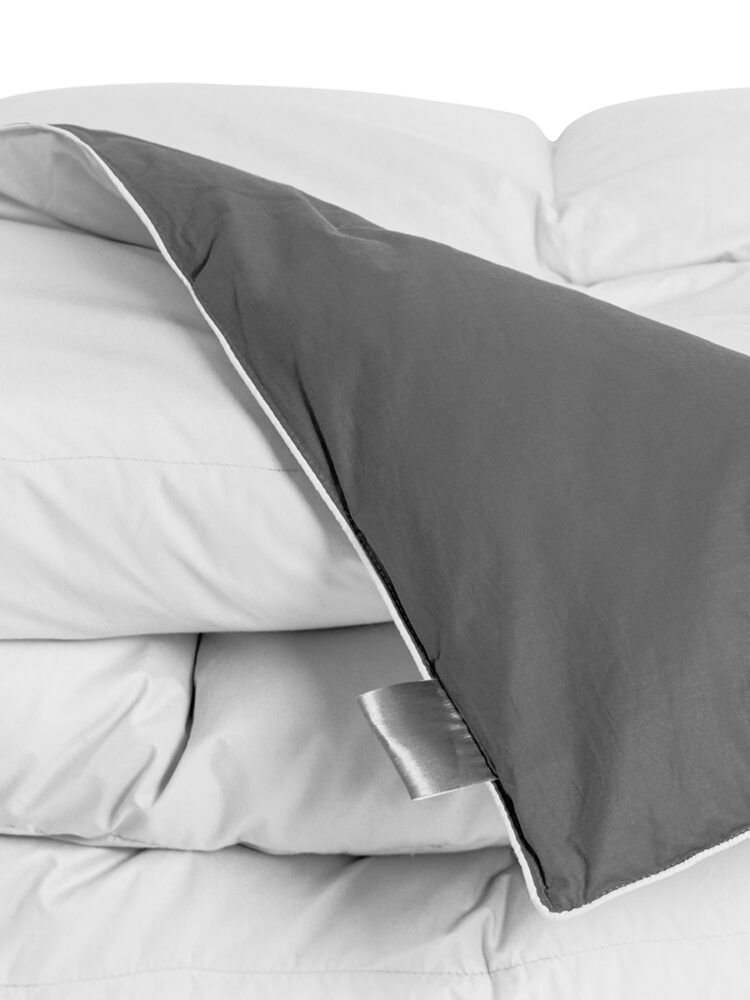
Down often feels light, fluffy and soft. It can suit you well if you like a soft, airy duvet that gently wraps around the body. Depending on filling quantity and construction, down can provide a lot of warmth. If you are looking for a very easy-care solution, tend to sleep warm or react sensitively to certain materials, it is worth comparing carefully.
Natural fibres, for example wool or camel hair, often feel a little more compact and calmer than down. Many people choose them when they like a rather dry and natural bed feeling. They usually feel less fluffy, but somewhat more present. If you prefer a very light duvet that you hardly notice, or if you have certain material sensitivities, natural fibres are not always the first choice.
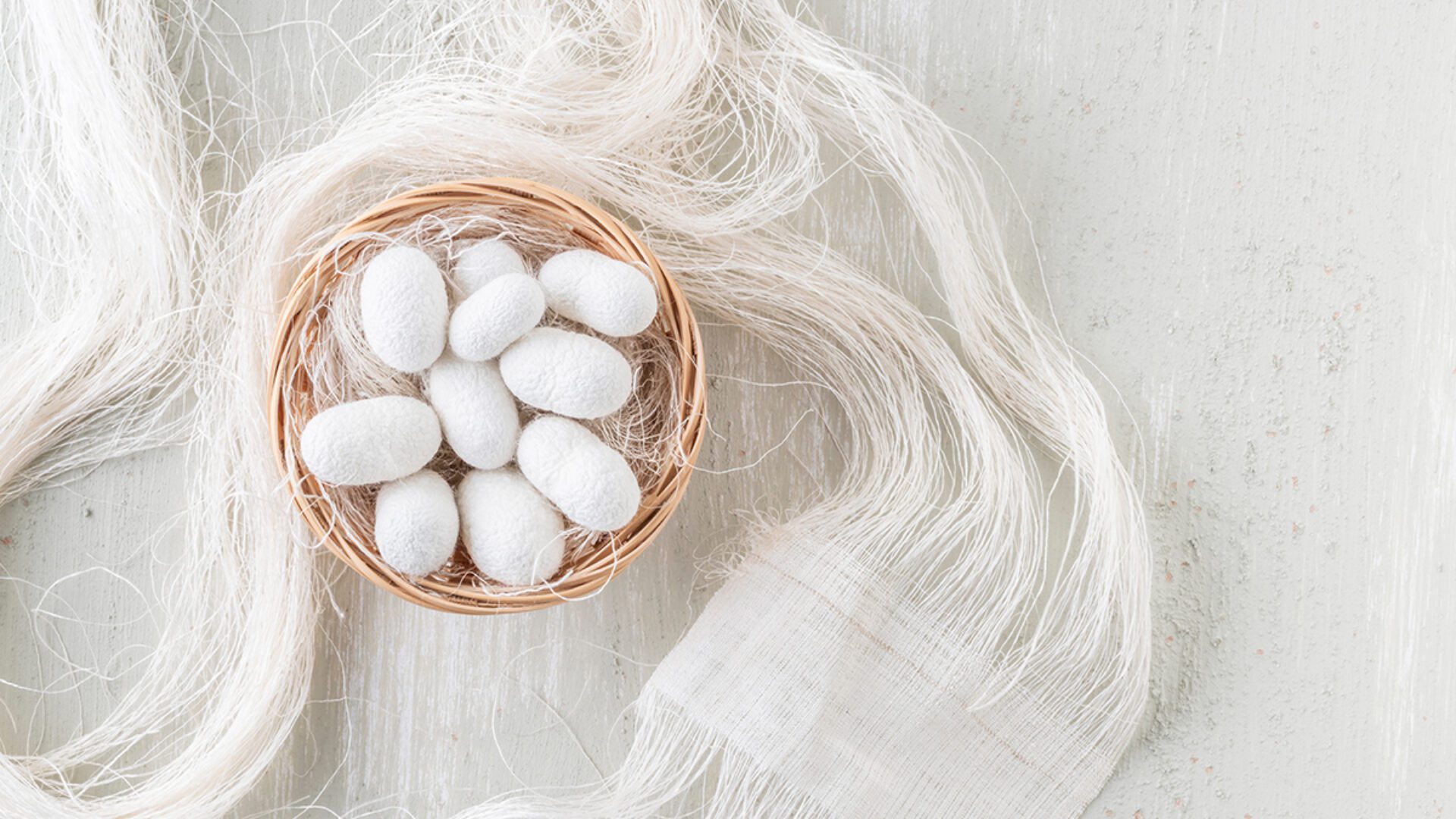
Silk tends to feel fine, smooth and light. It can be pleasant if you do not want a bulky or heavy duvet. But it is important to say: silk is not a general cooling solution. Whether it suits you also depends on warmth level, cover, bed linen, care and room climate.
Synthetic or fibre fillings are often interesting when care, washability and everyday practicality are important. They can be a practical solution, especially when a duvet needs to be cleaned more often or when allergies and sensitivities need to be considered. But it is also fair to say: easy care does not automatically mean a good sleep climate. That is why it is worth looking closely at the cover, breathability and construction.
Cellulose fibres, for example lyocell, often feel smoother, calmer and less fluffy. They can suit you if you are looking for a balanced sleep feeling and the classic down feeling is not the main priority. Here too, the fibre alone does not decide. The whole duvet matters.
Which Filling Suits Which Sleep Feeling?
When you tend to get warm quickly, start by looking at sleep climate, moisture and warmth level. A light duvet is not automatically cool. And a natural material is not automatically the best choice for every person. Also check the cover, bed linen and room temperature.
For people who get cold easily, the focus is steady warmth and a comfortable feeling of security. That does not always mean choosing the thickest duvet. What matters is that filling, weight and warmth level work together.
Care should be part of the decision from the beginning if it needs to be uncomplicated. A duvet can feel good and still be too demanding in everyday life. Especially if frequent washing matters, it is worth checking the care label and drying instructions carefully.
When allergies or sensitivities play a role, do not only look at the filling material. The cover, washability, cleaning, care instructions and what has actually been clarified are also important. Especially if you are unsure, it is better not to decide based on assumptions.
For a particularly light duvet, do not only compare the material. Also compare volume and feel. Down often feels fluffy and light. Silk or cellulose fibres can feel lighter and flatter. Natural fibres often feel a little more present.
Noise sensitivity is also worth considering. Pay attention to the cover and construction. Sometimes it is not the filling itself that disturbs you, but the rustling of the outer fabric. That is why it is worth consciously moving, holding and listening to a duvet before deciding.
Consider the Seasons: Why One Duvet Is Often Not Enough
Many people try to get through the whole year with a single duvet. That can work, but it is rarely the calmest solution.
In summer, the body often needs less warmth and more lightness. In winter, the duvet may provide more warmth and a stronger feeling of comfort. If you sweat in summer and feel cold in winter, you usually do not have a material problem. You have a seasonal problem.
That is why we clearly recommend two duvets: a lighter summer duvet and a warmer winter duvet. This way, one duvet does not have to be a compromise all year round.
It often makes the choice easier. Instead of looking for an all-round duvet that somehow works in every season, you can decide more specifically: What do I need on warm nights — and what do I need on cold nights?
Duvets for Couples: Individual Instead of Compromise
Different warmth needs are normal for couples. One person feels cold, the other gets warm quickly. One person likes a light duvet, the other sleeps more calmly with a little more weight.
This is not a luxury problem. And it does not mean that one person is sleeping “wrong”.
Often, it is more sensible to choose two individual duvets instead of forcing one shared compromise. This allows each person to choose warmth, weight, material feel and seasonal solution according to their own sleep.
This is especially helpful when one person sweats at night and the other feels cold, when different warmth levels are needed or when one person reacts more sensitively to material, weight or noise.
For couples, the better question is therefore not: Which duvet suits both of us? It is: What does each person need so that both can sleep more calmly?
How to Avoid Misleading Comparisons
Do not change everything at the same time. If you introduce a new duvet, new bed linen, a different room temperature and another pillow all at once, it becomes difficult to know what really made the difference.
Instead, observe over several nights:
- Do I get too warm or too cold?
- Do I wake up because of moisture or heat?
- Does the duvet feel too heavy or too light?
- Does a sound disturb me?
- Do I react sensitively to the material, cover or care?
- Does the duvet suit the current season?
- Is the care realistic for my everyday life?
- Do I sleep noticeably better with a different duvet?
This creates a clearer picture. After that, it becomes easier to decide whether you should adjust warmth, weight, material, cover, care or season.
If you notice that not only the duvet but the whole bed feeling is unclear, a bed check can help you understand the situation more calmly. Read more: Why a bed check is often more beneficial than a new purchase.
When Advice Makes Sense When Choosing a Duvet
Advice makes sense when several topics come together. For example: sweating and feeling cold, allergies or sensitivities, uncertainty between different materials, different needs as a couple or the question of a summer and winter duvet.
When choosing a duvet, the first topics are warmth, sleep climate, care, feel and everyday routine. If the bed, pillow or lying position also play a role, a sleep consultation can provide additional orientation.
The Wirbelscan supports the assessment of lying position and ergonomics. It does not decide which duvet material suits you, and it does not replace medical diagnostics. For the duvet, what remains decisive is how warmth, moisture, weight, care, season and everyday routine work together.
If how you sleep has changed during a particular life phase, this article may also be helpful: Gender Sleep Gap: Why women sleep worse and what helps.
Conclusion
You do not find the right duvet filling through a general judgement about material. You find it through your most important criteria.
Do you get warm quickly? Do you feel cold easily? Do you have allergies or material sensitivities? Has how warm or cold you feel at night changed? Would you like a very light duvet? Does care need to be uncomplicated? Do you sleep as a couple with different needs?
And: does your duvet really suit the season?
Once these questions are clear, the choice becomes much easier. Then it is no longer about whether down, wool, silk, synthetic fibres or lyocell is generally better. It is about which solution suits your sleep climate.
That is why we clearly recommend two duvets: a lighter summer duvet and a warmer winter duvet. This way, the duvet suits the season better and does not have to be a compromise all year round.
If you are unsure, a calm outside perspective can be helpful. In the consultation, we help you sort your warmth needs, your sleep climate and your priorities for the duvet. Without pressure — so you can better understand what really suits you.
FAQ – Häufige Fragen
Which duvet filling is the best?
There is no generally best filling. What matters is whether the duvet suits how warm or cold you feel at night, your sleep climate, care routine, sensitivities and everyday life.
What is better: down or synthetic?
Down often feels lighter and fluffier. Synthetic fibres are often easier to care for. What suits you better depends on whether feel, warmth, care, sleep climate or washability is more important to you.
Is silk good if I get warm quickly?
Silk can feel pleasantly light and smooth. But it is not a general cooling solution. Warmth level, cover, bed linen and room temperature are also decisive.
Which duvet suits me if I sweat at night?
Start by looking at sleep climate, moisture behaviour and warmth level. Bed linen, cover, room temperature and season can also play a role. It is not necessarily only the duvet.
What matters for allergies or sensitivities?
Filling, cover, washability, cleaning and care instructions all matter. Do not decide only based on assumptions, but on what is actually known or clarified.
Do I need a summer and a winter duvet?
Yes, we clearly recommend two duvets: a lighter summer duvet and a warmer winter duvet. This way, the duvet suits the season better and does not have to be a compromise all year round.
Should couples choose one shared duvet or two individual duvets?
If both people have similar warmth needs, one shared duvet can work. If needs differ, two individual duvets are often the calmer solution.
How do I test a duvet properly?
Observe only a few points over several nights: warmth, moisture, weight, noise, sensitivities and sleep feeling. Do not change everything at once, otherwise the comparison becomes unclear.
Jetzt für den Newsletter anmelden
Mit unserem Newsletter erhältst du regelmässig Tipps für erholsamen Schlaf, Infos zu neuen Produkten und exklusive Aktionen, damit du jeden Morgen erfrischt aufwachst.